Ever walked into an estate auction, spotted a dusty piece of furniture, and wondered if it was worth thousands—or just junk? You’re not alone. Many collectors and heirs misjudge items simply because they don’t understand the true definition of “antique.” In the high-stakes world of estate & antique auctions, confusing vintage with antique can cost you real money. This guide cuts through the noise with clear, field-tested insights drawn from decades in the auction trenches—not textbooks.
Table of Contents
- Why the Definition Really Matters in Estate Auctions
- How to Authenticate an Antique: A Practical Checklist
- 5 Best Practices Every Collector Should Follow
- Real Auction Examples That Prove the Rules
- Frequently Asked Questions
Key Takeaways
- An item must be at least 100 years old to be legally classified as an antique in the U.S.
- Condition, provenance, and craftsmanship matter as much as age.
- Mislabeling “vintage” as “antique” is a common—and costly—mistake.
- Always verify marks, materials, and historical context before bidding.
- When in doubt, consult a professional appraiser; it’s cheaper than overpaying.
Why the Definition Really Matters in Estate Auctions
In estate liquidations, time is tight, emotions run high, and misinformation spreads fast. I once watched a client spend $2,300 on a “Victorian-era” writing desk—only to discover it was a 1980s reproduction. Why? Because no one clarified what makes an antique an antique. Legally, in the United States, the Federal Trade Commission (FTC) defines an antique as an item that is at least 100 years old. That means anything made after 1924 (as of 2024) doesn’t qualify—no matter how “old-looking” it seems.
This distinction isn’t just academic. Auction houses price antiques differently than vintage or retro items. Misidentification leads to either underbidding (losing gems) or overbidding (buying fakes). According to the Federal Trade Commission, false advertising of antiques violates consumer protection laws—yet enforcement is rare in fast-paced estate sales.
How to Authenticate an Antique: A Practical Checklist
Don’t rely on gut feeling. Use this step-by-step method honed across hundreds of Midwest estate auctions:
1. Check the Age First
Calculate: current year minus 100. If the item was made after that cutoff, it’s not an antique. Look for maker’s marks, patent numbers, or manufacturing stamps. For furniture, inspect joinery—hand-cut dovetails suggest pre-1900 work; machine-made indicate later production.
2. Assess Original Condition
Repairs and refinishing drastically reduce value. An item with 90% original finish and minimal restoration holds more worth than a “perfect” refinished piece. Beware of “Frankenstein” antiques—parts cobbled together from different eras.
3. Verify Provenance
Documentation like receipts, photos, or family letters adds credibility. At Jema Tzer Actor Auctioneers, we’ve seen provenance turn a $200 side table into a $3,500 lot when linked to a minor historical figure.
5 Best Practices Every Collector Should Follow
- Never trust surface appearance alone. Patina can be faked with vinegar and steel wool.
- Carry a magnifying glass and UV flashlight. Modern repairs often fluoresce under UV light.
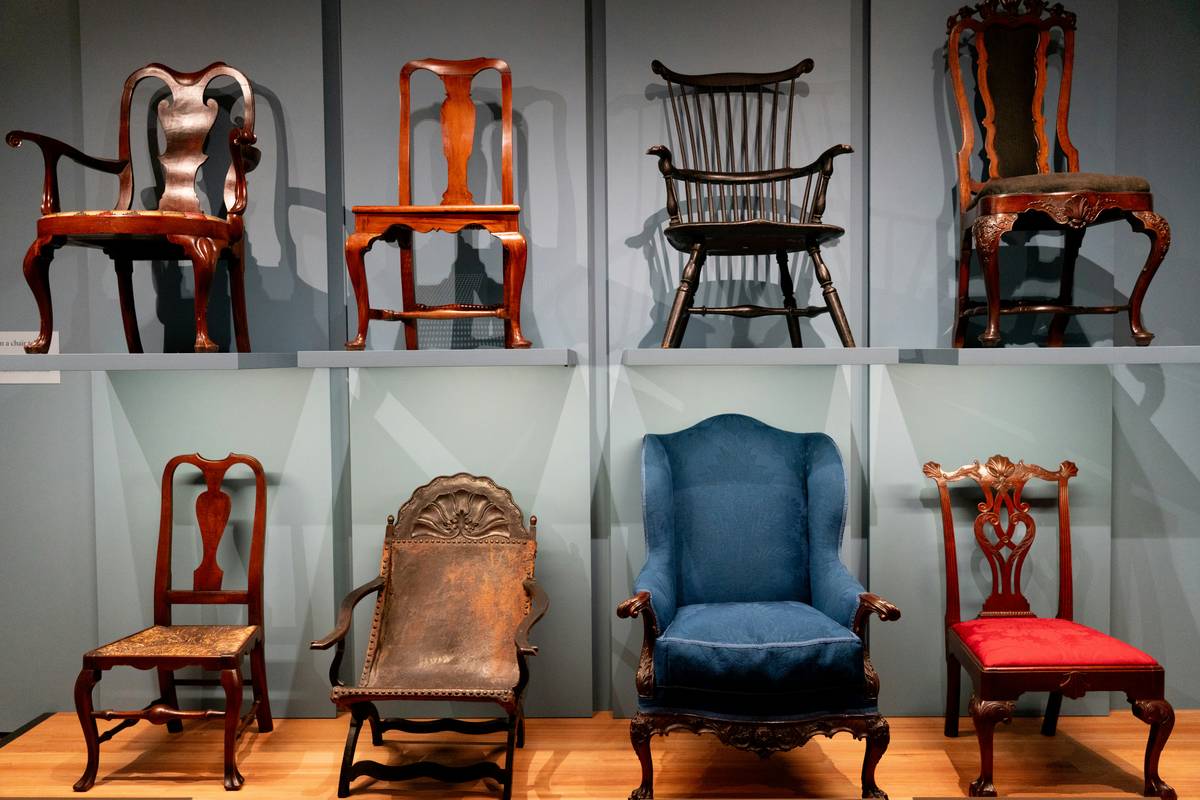
- Research regional styles. A “Chippendale” piece made in Ohio in 1930 isn’t Chippendale—it’s Colonial Revival.
- Avoid the “terrible tip”: “If it looks old, it must be valuable.” Nope. Mass-produced junk from the 1910s is still junk.
- Consult specialists. Our team at Jema Tzer Actor includes certified appraisers with GPPA credentials.
Real Auction Examples That Prove the Rules
Last fall, we handled an estate sale in Columbus featuring a porcelain vase marked “Royal Doulton.” The seller called it “an antique,” but our dating placed it at 1958—making it vintage, not antique. It sold for $85. Contrast that with a genuine 1892 Doulton vase in the same auction: identical style, but 66 years older. It hammered at $1,200.
Another example: a Civil War-era quilt (circa 1863) with documented lineage sold for $4,200 after third-party textile verification. Meanwhile, a beautifully stitched 1940s replica—mistaken by the family as “Grandma’s Civil War quilt”—went for $75. As Wikipedia’s entry on antiques correctly notes, cultural perception often clashes with legal definitions.
Frequently Asked Questions
Is 50 years old considered an antique?
No. In the U.S., antiques must be at least 100 years old. Items between 20–99 years old are typically classified as “vintage.”
Does “what makes an antique an antique” vary by country?
Yes. The U.K. sometimes uses a 100-year rule, but customs authorities may classify items over 50 years as antiques for import purposes. Always check local regulations.
Can restored items still be antiques?
Yes—if the restoration is minimal and disclosed. However, heavy restoration lowers value significantly.
Where can I get a reliable appraisal?
Seek appraisers certified by organizations like the ISA or USPAP. You can contact our team for preliminary evaluations.
Are all antiques valuable?
No. Scarcity, demand, and condition determine value—not age alone. Millions of mass-produced 19th-century items have little collector interest.
How does your privacy policy affect valuation requests?
We never share personal or item data without consent. Full details are in our Privacy Policy.
Remember: knowing what makes an antique an antique isn’t about memorizing dates—it’s about respecting history, craftsmanship, and truth in a market full of noise. Don’t gamble on guesswork. Get clarity before you bid. Reach out to our team today for a no-pressure consultation.
One century’s trash is another’s treasure—but only if you know the rules. Time doesn’t lie. Neither should your label.