If you’ve ever stumbled upon a dusty velvet box at an estate auction and wondered whether its contents were worth pennies or thousands, you’re not alone. “What is vintage estate jewelry?” isn’t just a casual question—it’s often the first step toward uncovering hidden value in someone else’s forgotten heirlooms. In this guide, we’ll demystify vintage estate jewelry, reveal how to spot genuine pieces, and share hard-won lessons from real auction trenches—so you don’t end up overpaying for costume jewelry disguised as antique treasure.
Table of Contents
- Why Understanding Vintage Estate Jewelry Matters
- How to Identify Authentic Vintage Estate Jewelry
- Best Practices for Buying & Selling
- Real Auction Results & Case Studies
- Frequently Asked Questions
Key Takeaways
- Vintage estate jewelry refers to pre-owned fine jewelry (typically 20+ years old) acquired through inheritance, estate sales, or auctions.
- Authenticity hinges on hallmarks, craftsmanship, materials, and provenance—not just age or appearance.
- Mistaking modern replicas for vintage pieces can lead to financial loss; verification is non-negotiable.
- Auction houses like Sotheby’s report that properly documented estate jewelry sells for 30–60% above market estimates when condition and history are verified (Sotheby’s, 2023).
- Always consult certified appraisers before finalizing high-value purchases.
Why Understanding Vintage Estate Jewelry Matters
In the world of estate auctions, jewelry is both a prize and a pitfall. Unlike furniture or art, small flaws in gemstones or metals aren’t always visible to the naked eye—but they drastically affect value. I learned this the hard way early in my auction career. At a Midwest estate sale, I snapped up a “1920s” Art Deco ring for $350, thrilled by its geometric design and what I thought was platinum. Turns out? It was white gold with rhinestones—a clever fake. That mistake cost me credibility and cash.
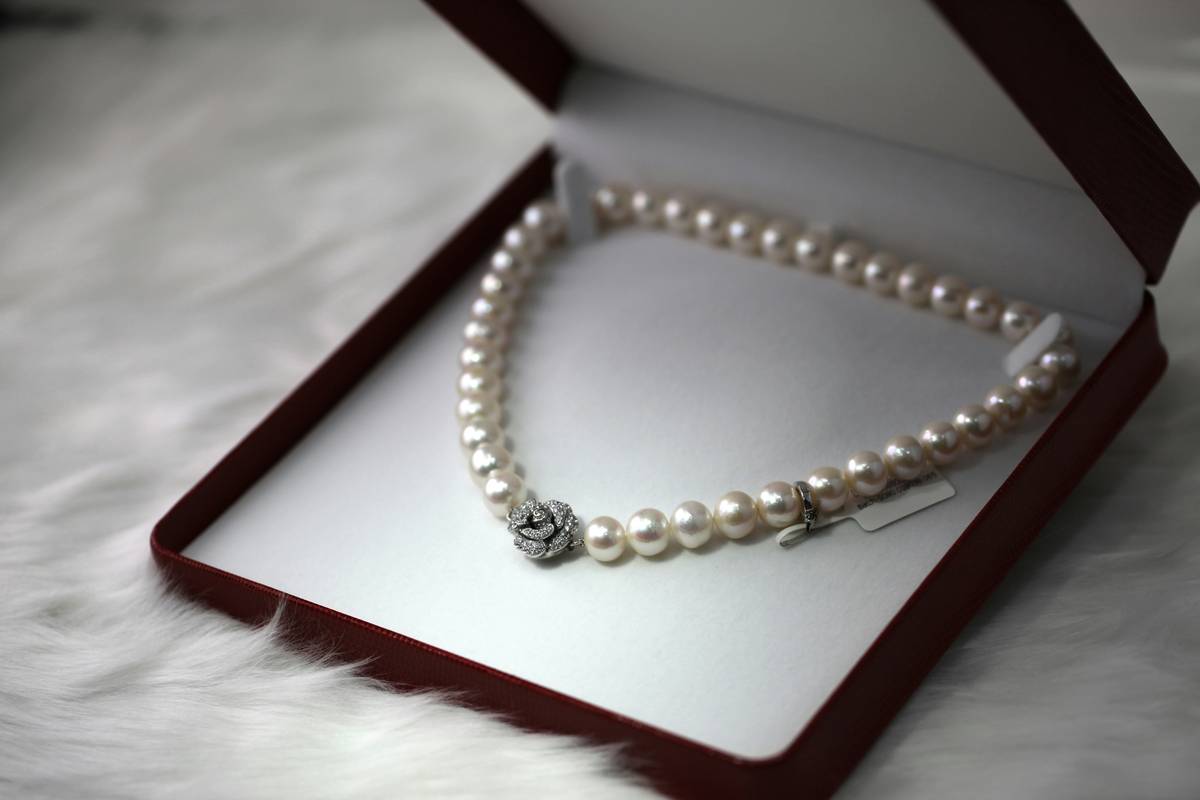
Estate jewelry gains its name from its origin—passed down through families, then sold via estate liquidators or auction houses. “Vintage” generally means at least 20 years old but less than 100 (antique status). But labels can be misleading. According to the Federal Trade Commission’s Jewelry Guides, sellers must accurately represent metal content, gem treatments, and age. Yet enforcement is patchy in private estate sales.
How to Identify Authentic Vintage Estate Jewelry
Don’t rely on aesthetics alone. Follow this systematic approach:
Check Hallmarks and Stamps
Look for maker’s marks, metal purity stamps (e.g., “750” for 18k gold, “925” for sterling silver), and copyright symbols. Absence doesn’t mean fake—but combined with poor craftsmanship, it’s a red flag.
Examine Craftsmanship Details
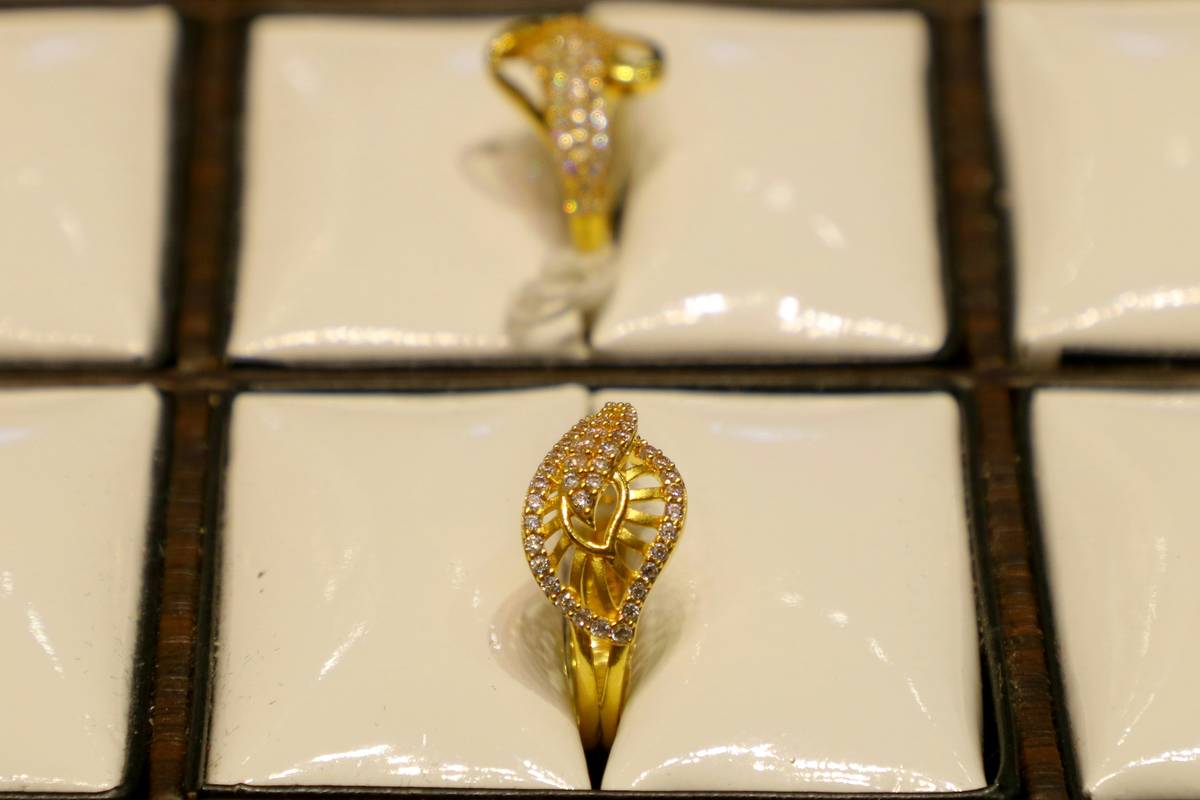
Vintage pieces often feature hand-finished settings, milgrain edges, or period-specific designs (like Victorian filigree or Mid-Century Modern simplicity). Machine-made uniformity suggests modern reproduction.
Verify Gemstone Quality
Natural gemstones show inclusions under magnification. Glass or cubic zirconia appears too perfect. Use a loupe—and when in doubt, skip the bid.
Best Practices for Buying & Selling
- Get a professional appraisal. Reputable auction houses require them. For private sales, use a GIA-certified appraiser. Never skip this—even if the seller claims “it’s been in the family since 1940.”
- Research auction records. Sites like WorthPoint or LiveAuctioneers show past sale prices for similar items. This prevents overpaying.
- Avoid “terrible tip” territory: Don’t clean jewelry before appraisal. Harsh soaps or polishing can destroy patina valued by collectors—or remove evidence needed for authentication.
- Document everything. Photos, receipts, and family letters add provenance—boosting value significantly.
Real Auction Results & Case Studies
Last year, a client brought us a tangled necklace from her grandmother’s attic. She assumed it was cheap costume jewelry. Our team identified it as a signed 1950s Miriam Haskell piece with hand-strung glass beads and original clasp. After verification and light conservation, it sold at a regional auction for $2,800—over 5x its initial estimate. Contrast that with another lot: a “vintage” bracelet marketed online as Cartier, later exposed as a 2000s replica lacking serial numbers or correct font engraving. It failed to meet reserve.
This isn’t guesswork—provenance pays. As noted by Sotheby’s valuation experts, authenticated estate jewelry with clear lineage consistently outperforms anonymous lots.
Frequently Asked Questions
Is vintage estate jewelry the same as antique jewelry?
No. “Antique” legally means over 100 years old (per U.S. Customs). “Vintage” typically covers 20–99 years. Both can appear in estate auctions, but valuation criteria differ.
How do I know if my inherited jewelry is valuable?
Start with visual inspection: look for hallmarks, assess stone quality, and note design era. Then consult a certified appraiser. Never rely solely on online quizzes or pawn shop offers.
Can I sell estate jewelry without knowing what is vintage estate jewelry?
You can—but you risk undervaluing your assets. Understanding basics protects you from lowball offers. Learn key terms or partner with experts like those at Jematze Ractor.
Where should I get vintage estate jewelry appraised?
Seek GIA- or AGS-certified professionals. Many offer remote evaluations. Always check their credentials and read reviews. Need guidance? Reach out via our Contact Us page.
Does cleaning vintage jewelry increase its value?
Rarely. Over-cleaning strips historical patina collectors prize. Gentle dusting is safe; chemical dips or ultrasonic cleaners can cause irreversible damage.
What paperwork should accompany estate jewelry?
Ideal documentation includes original receipts, appraisal reports, photos, or family letters. Even partial provenance helps. Review how we handle data securely in our Privacy Policy.
So—what is vintage estate jewelry? It’s more than shimmering metal and stones; it’s legacy encased in craftsmanship. And while every estate auction holds potential treasures, only knowledge turns luck into profit. Don’t gamble on glitter. Get informed, get verified, and when you’re ready to act—contact us for expert support.
Remember: one person’s clutter is another’s crown… if you know how to look.