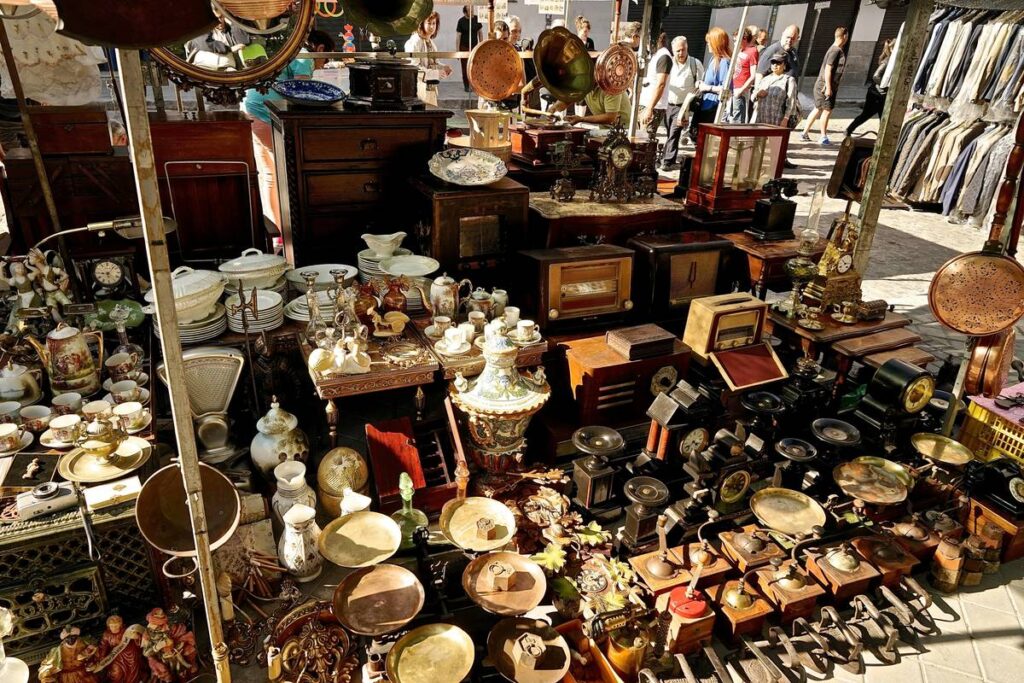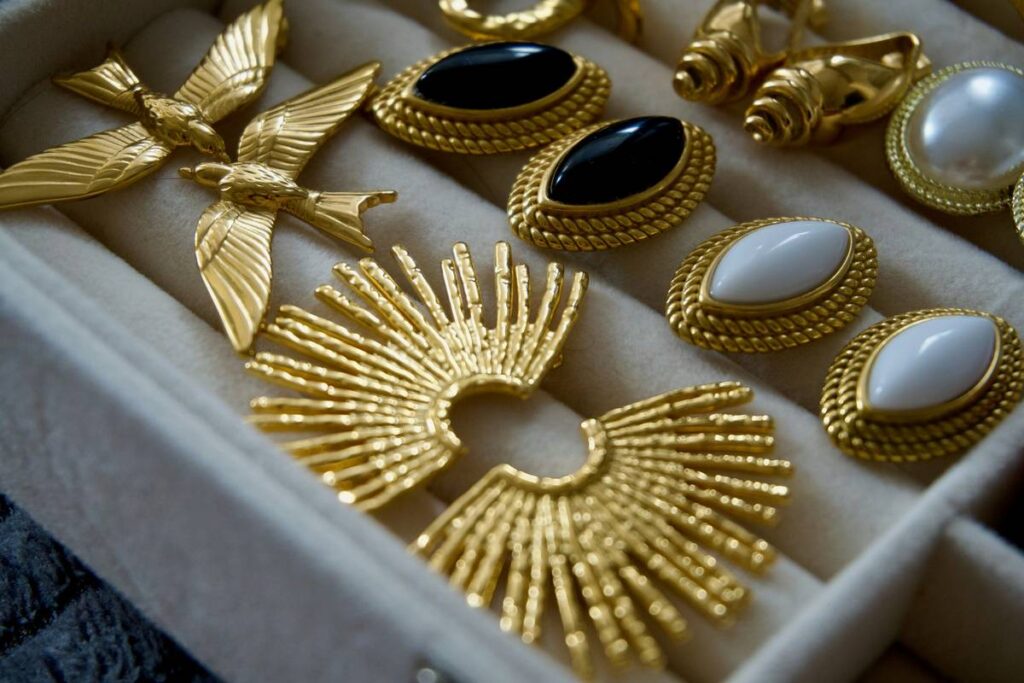
Ever walked into an old estate house and felt like you’d stepped into a time capsule—only to realize the only thing more fragile than the porcelain figurines was your budget? You’re not alone. Estate auctions can be treasure troves or traps, depending on how you approach them. In this guide, we’ll walk you through exactly what to watch for, how to prepare, and where most first-timers go wrong (I’ll even share my own embarrassing blunder). Whether you’re a seasoned collector or a curious newcomer, these insights will help you navigate estate auctions with confidence—and avoid walking out with overpriced junk.
Table of Contents
- Why Old Estate House Auctions Matter
- Step-by-Step Guide to Buying at an Estate Auction
- Best Practices for Smart Bidding
- Real-World Case Studies
- Frequently Asked Questions
Key Takeaways
- Always preview items in person—photos rarely capture condition accurately.
- Set a firm budget before bidding; emotions run high in old estate house settings.
- Research comparable sales using authoritative sources like auction archives.
- Avoid the “last box” trap—don’t assume overlooked items are bargains.
- Contact professionals early if you’re considering selling an estate collection.
Why Old Estate House Auctions Matter
When someone passes away or downsizes, decades of memories—and possessions—often end up at auction. These old estate house liquidations aren’t just about antiques; they’re cultural snapshots. From Depression-era glassware to mid-century modern furniture, every piece tells a story. But without proper context, buyers risk overpaying or missing hidden gems entirely.

According to the National Auctioneers Association, over 60% of estate auctions involve personal property valued under $50,000—but that doesn’t mean there’s no value. In fact, many rare collectibles surface precisely because families don’t recognize their worth. That’s why expertise matters. At Jem Atzer Actor Auctions, we’ve seen everything from signed baseballs mistaken for “kids’ toys” to original Picasso lithographs sold as “decorative prints.” Knowledge is literally profit.
Step-by-Step Guide to Buying at an Estate Auction
1. Preview the Sale Thoroughly
Never bid blind. Attend the preview day. Test hinges on cabinets, check for water damage on paper items, and smell books (musty = mold risk). I once bought a “vintage radio” that looked pristine—only to discover its internal wiring had been chewed by mice. Lesson learned: inspect like a detective.
2. Research Comparable Sales
Use resources like the WorthPoint Price Guide or auction archives from major houses. If a similar Victorian locket sold for $120 last month, don’t justify paying $300 just because it’s displayed next to grandma’s photo.
3. Register Early and Understand Terms
Some auctions require deposits or have buyer’s premiums (typically 10–25%). Read the terms on the auction house website. And yes, we include ours transparently on our Privacy Policy page, so you always know where you stand.
4. Bid Strategically
Start low. Let others chase prices up. If you’re emotionally attached to a piece from an old estate house, you’ve already lost objectivity.
Best Practices for Smart Bidding
- Ignore the “terrible tip” crowd: Some say “bid on everything—it all blends together later.” No. This leads to clutter, storage costs, and resale regret.
- Bring gloves and a flashlight (for inspecting dark corners).
- Photograph lot numbers you’re interested in—catalogs get chaotic.
- Don’t assume “no reserve” means cheap—it often attracts aggressive bidders.
My biggest pet peeve? Sellers who lump rare books with paperback novels and call it “a library lot.” It devalues true collectibles and confuses new buyers. If you’re liquidating an estate, work with professionals who understand categorization. Reach out via our Contact Us page—we offer free initial consultations.
Real-World Case Studies
In 2023, a Midwest estate auction featured an unmarked painting in the attic of an old estate house. Most bidders ignored it. One collector recognized the brushwork as regionalist artist Grant Wood. It sold for $800—and later appraised at $42,000 (per Smithsonian records). Contrast that with another bidder who spent $1,200 on “vintage costume jewelry,” only to learn 80% was post-1980 fashion pieces with no resale value.
The difference? Preparation. The successful buyer had studied 1930s Midwestern art; the other assumed “old = valuable.” Not true. Condition, provenance, and demand drive price—not age alone.
Frequently Asked Questions
What should I look for when touring an old estate house before an auction?
Check for signs of water damage, insect infestation, and missing parts. Open drawers, test mechanisms, and examine backs/bottoms—stamps, labels, or maker’s marks often hide there.
How do I know if an item is truly antique?
Generally, “antique” means over 100 years old. Use style guides (like Kovels) or consult an expert. Age alone doesn’t guarantee value—condition and rarity matter more.
Can I negotiate prices after an estate auction ends?
Rarely. Auctions are final-sale by design. However, unsold lots (“bought-ins”) may be available privately—ask the auctioneer politely.
Are online estate auctions as reliable as in-person ones?
They can be, but condition reports vary. Stick to platforms with detailed photos and return policies. When in doubt, stick to live auctions for high-value items.
What’s the biggest mistake beginners make at estate auctions?
Bidding emotionally. That china cabinet might remind you of your grandmother’s—but if it’s veneer over particleboard from the 1970s, it’s not an heirloom investment.
How do I sell items from my own old estate house?
Contact a licensed auction house with estate experience. We offer ethical, transparent liquidation services—learn more on our About Us page.
Estate auctions aren’t about grabbing souvenirs—they’re about respecting history while making smart decisions. So next time you step into an old estate house, don’t just see dusty shelves. See stories waiting to be continued… wisely.