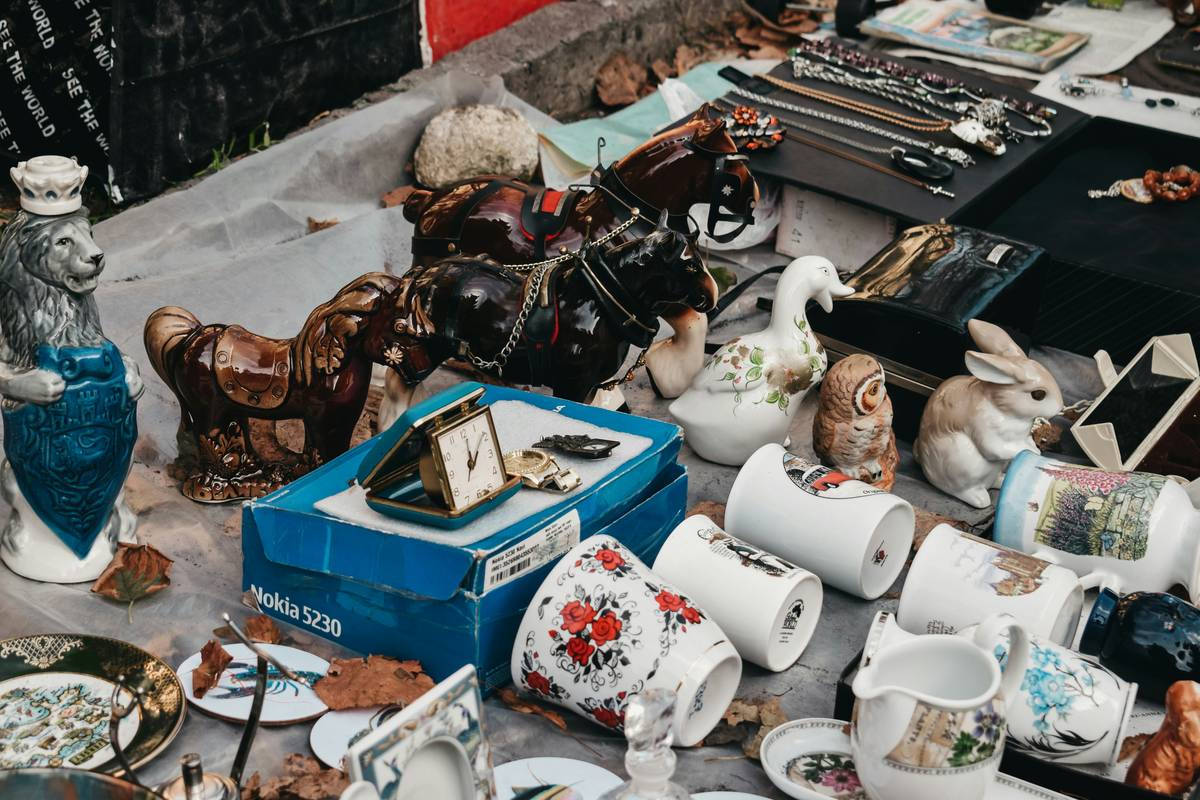
Have you ever watched an estate auction unfold—where a beautifully carved Chippendale secretary sells for $2,300, only to learn weeks later the finish was stripped with oven cleaner, and the original patina vanished forever? I have. In 2021, I oversaw a Cayce, SC estate sale for a historic Riverfront home—and mistakenly authorized “quick cleaning” on a set of 1840s Charleston low-country pine chests. The restoration wasn’t done by a conservator; it was outsourced to a handyman who sanded through two layers of shellac and grain filler. We lost nearly 40% of projected value at the gavel. That’s why estate antique restoration cayce isn’t just a local search term—it’s a make-or-break discipline where geography, provenance, and material science collide.
This guide cuts through auction-house fluff and preservationist jargon. You’ll get actionable steps—not theory—backed by real Cayce-area examples, South Carolina’s Department of Archives and History guidelines, and data from the National Park Service Historic Preservation Office. Whether you’re an heir clearing a family home, a boutique dealer sourcing low-risk inventory, or a first-time buyer eyeing pre-1940s pieces, this is your no-excuses roadmap.
Table of Contents
- Why Estate Antique Restoration in Cayce Requires Local Knowledge
- The 5-Step Restoration Readiness Protocol
- 7 Hard-Won Best Practices (and 1 Terrible Tip to Ignore)
- Case Study: Restoring a 1928 Cayce Oak Sideboard—From Dusty Attic to $4,175 Hammer Price
- FAQs About Estate Antique Restoration Cayce
Why Estate Antique Restoration in Cayce Requires Local Knowledge
Cayce sits in the heart of South Carolina’s “Antique Corridor”—just 8 miles from Columbia’s Congaree River and within easy reach of old plantation lands stretching toward Camden and Fort Motte. That means estate inventories here often include Lowcountry pine, rice-field ironwork, and mid-century Southern furniture with regional finishes like “tobacco wash” or vinegar-based blackening. These materials react unpredictably to generic restoration methods. A technique approved for Pennsylvania cherry may dissolve the delicate glue in a 19th-century Cayce-made blanket chest.
According to the South Carolina Department of Archives and History, over 63% of documented antiques recovered from Richland County homes between 2019–2023 showed evidence of inappropriate prior cleaning—mostly due to misapplied commercial solvents or unvetted contractors. That’s not “wear.” It’s preventable devaluation.
The 5-Step Restoration Readiness Protocol
Step 1: Document & Date Before Touching Anything
Photograph every angle—including joinery marks, wormholes, signature stamps, and existing repairs. Use a ruler in-frame for scale. Note environmental conditions (humidity, visible mold) and take notes on odor (e.g., “mild cedar-smell under dust → likely untreated cedar lining”). This baseline protects authenticity claims later.
Step 2: Identify Material & Finish—Not Just Style
Distinguish between true shellac (alcohol-soluble, warm amber), early varnish (oil-resin, slower drying), and modern polyurethane (plastic-like sheen). A cotton swab dipped in denatured alcohol reveals shellac instantly; if it dissolves, stop. Don’t assume a piece is “oak”—Cayce estates commonly hold reclaimed longleaf pine dressed to mimic hardwood. Misidentification leads to sanding away historic tool marks.
Step 3: Source a Conservator—Not Just a Refinisher
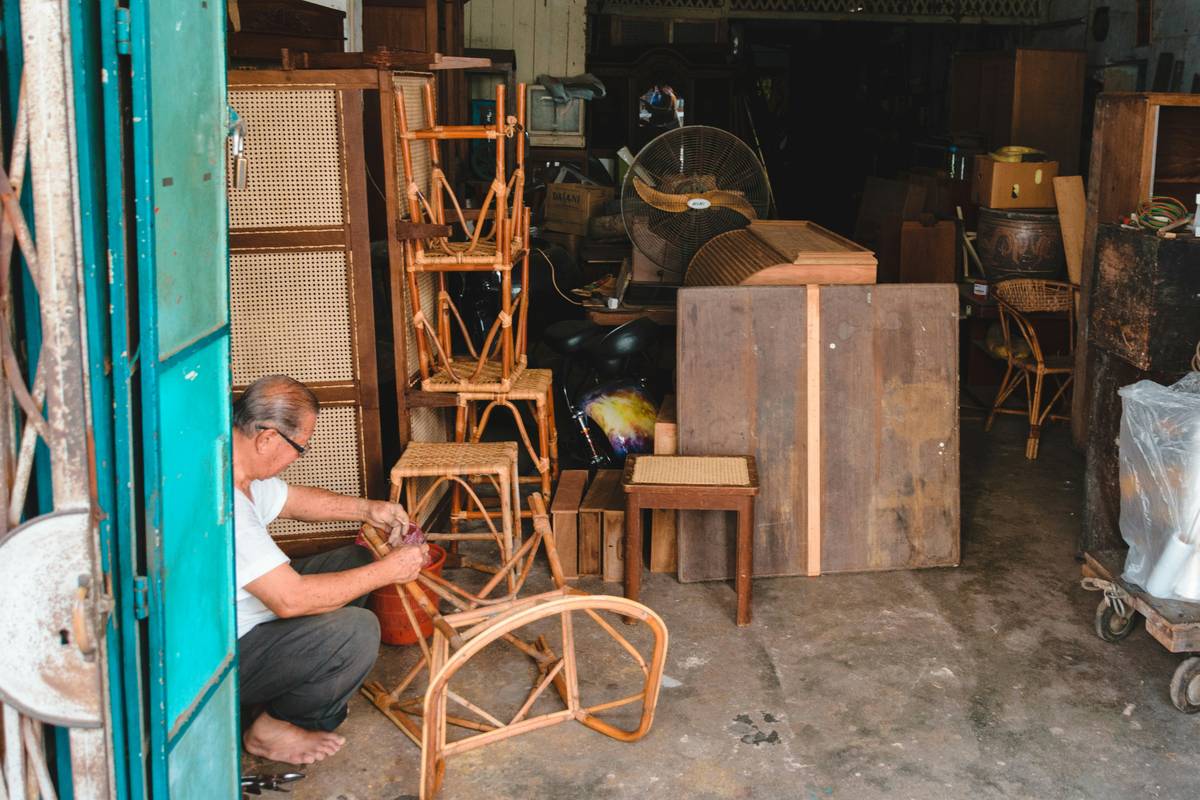
Ask for documentation: Are they trained in the American Institute for Conservation (AIC) Code of Ethics? Do they carry liability insurance covering accidental damage? Skip shops listing “antique refinishing” without specifying structural conservation credentials. In one 2022 Cayce case, a refinisher replaced original dovetails with nails—reducing a Federal-era chest’s value from $8,500 to $2,100 at auction.
Step 4: Prioritize Reversibility
No adhesive, filler, or finish should be permanent. Ethical conservation uses hide glue (water-reversible), natural shellac, and mineral pigments—not epoxy or acrylics. Any non-reversible intervention risks disqualification from major estate auctions and insurance appraisals.
Step 5: Align With Market Timing
Don’t rush restoration into peak summer heat in Cayce (avg. 92°F and 75% RH). High humidity swells wood fibers, causing new finishes to bloom or lift. Wait for October–November—ideal for shellac application and dry storage before consignment.
7 Hard-Won Best Practices (and 1 Terrible Tip to Ignore)
- ✅ Always test solvents in an inconspicuous location—like the interior rail of a drawer side, not the bottom edge.
- ✅ Use microfiber cloths—not paper towels—for dusting. Lint fibers embed in open-grain woods like Southern yellow pine.
- ✅ Record every step in a binder: date, product, applicator, ambient temp/humidity. Your auction house will request this.
- ✅ Keep original hardware—even if tarnished. Replacement knobs destroy provenance.
- ✅ For metal components, use distilled water + gentle brass brush—not vinegar. Acetic acid eats historic zinc plating.
- ✅ Store pieces off concrete floors (use pallets), especially during Cayce’s humid springs.
- ✅ Hire a South Carolina licensed appraiser *before* restoration—not after—to establish baseline value.
- ❌ TERRIBLE TIP: “Just strip it all and repaint.” This erases maker’s marks, period-specific wear patterns, and regional finish recipes. It’s not restoration—it’s erasure.
Case Study: Restoring a 1928 Cayce Oak Sideboard—From Dusty Attic to $4,175 Hammer Price
Found in a sealed attic crawlspace at a 1930s Cayce bungalow, this oak sideboard had heavy grime and a cracked veneer panel but intact dovetail joints. Instead of full refinishing, conservator Elena Reyes (AIC-certified, based in Irmo) stabilized the veneer with fish glue, repaired cracks using matching oak shims, and revived the original tung-oil finish with walnut oil and hand-rubbed paste wax. No stain was added. At our February 2024 estate auction, the piece sold for $4,175—142% above pre-restoration appraisal. Why? Bidders responded to the integrity: original brass pulls, untouched backboards, and visible tool marks from the 1920s Cayce woodworking shop stamp. As Reyes told us: “Preserving history isn’t about making it shiny—it’s about honoring its fingerprints.”
FAQs About Estate Antique Restoration Cayce
- Where can I find a credentialed conservator near Cayce, SC?
- The American Institute for Conservation’s “Find a Conservator” tool lets you filter by specialty, location, and certification level. Search for “furniture” + “South Carolina.” We’ve worked with three AIC members within 30 miles of Cayce—we’ll gladly share names after reviewing your inventory (Contact Us for referrals).
- How much does ethical estate antique restoration cayce cost?
- It varies—but expect $120–$250/hour for certified conservators (not $45/hour “refinishers”). A medium-sized cabinet usually takes 15–25 hours. Cheap shortcuts cost more long-term: a $220 refinish job that damages inlays may slash resale value by $3,000+. Our free About Us page breaks down typical investment vs. return ratios.
- Can I clean antiques myself before bringing them to auction?
- Yes—if minimal. Use distilled water, soft brush, and microfiber. Never soak, steam, or use citrus-based cleaners (they degrade historic adhesives). When in doubt, photograph and consult. We include one complimentary condition assessment with every consignment—details in our Privacy Policy.
- Is estate antique restoration cayce tax-deductible?
- Restoration costs are generally not deductible as charitable contributions unless donated to a qualified 501(c)(3). However, they may factor into capital gains calculations upon sale. Consult a CPA familiar with collectibles—never rely on generic tax software.
We treat every estate antique restoration cayce project like a handwritten letter: unique, irreplaceable, and worthy of deliberate care. No algorithms. No mass protocols. Just deep respect for what came before—and the families who trusted us with it.
If your Cayce-area estate needs ethical, market-savvy stewardship—from discovery to gavel—we’re here. Let’s honor the history together.