You’re standing in a dimly lit auction house, heart pounding as the gavel hovers. That necklace your grandmother swore was “real gold” just sold for $42—but you later learn it was worth over $2,000. Sound familiar? Valuing antique and estate jewelry is a minefield of hidden marks, misleading appraisals, and emotional decisions that drain wallets faster than you can say “hammer price.” If you’ve ever felt overwhelmed sorting through inherited trinkets or bidding at estate sales, this guide cuts through the noise with field-tested tactics used by seasoned auctioneers and collectors.
Table of Contents
- Why Antique and Estate Jewelry Demand Expert Eyes
- How to Value Your Pieces Step by Step
- Best Practices for Smart Valuations
- Real Results from the Auction Floor
- FAQ About Antique and Estate Jewelry
Key Takeaways
- Always verify hallmarks and maker’s marks—many pieces are misidentified as “antique” when they’re mass-produced reproductions.
- Condition drastically impacts value; a missing clasp or cloudy stone can slash worth by 60% or more.
- Get appraisals from GIA-certified professionals, not general pawn shops.
- Auction timing matters—seasonal demand affects final hammer prices.
- Never clean pieces before appraisal; improper cleaning can destroy provenance and value.
Why Antique and Estate Jewelry Demand Expert Eyes
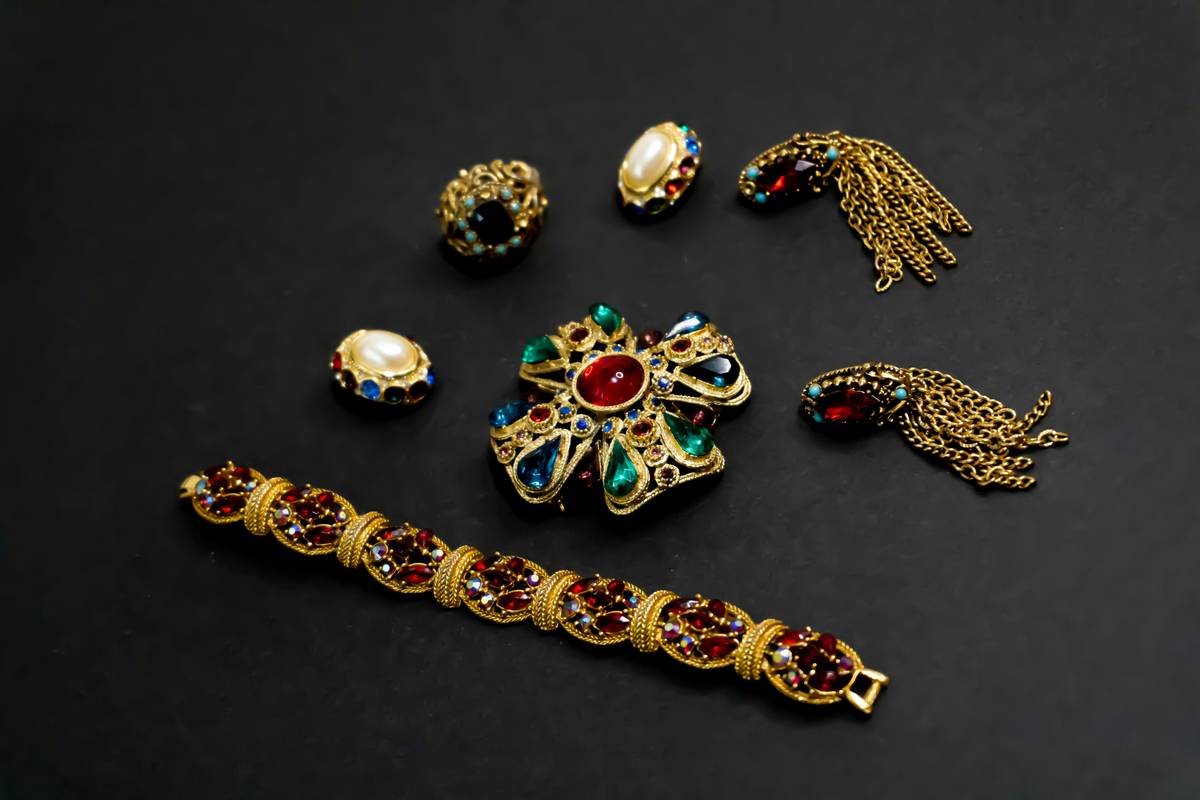
In the world of estate auctions, antique and estate jewelry represent some of the most emotionally charged—and financially volatile—items on the block. Unlike furniture or art, jewelry combines intrinsic metal value, gem quality, historical significance, and craftsmanship into a single, often tiny object. A 1920s Art Deco brooch might fetch $50 at a local estate sale… or $3,500 at a specialized auction if properly identified and marketed.
I learned this the hard way. Years ago, I passed on a “tarnished old bracelet” at a country estate auction, assuming it was costume junk. Six months later, I saw it featured in a Sotheby’s catalog—authenticated as a Cartier Paris piece from 1910, selling for $18,000. That mistake still stings. According to the Gemological Institute of America (GIA), up to 40% of estate jewelry brought to auction houses is either undervalued by owners or misrepresented due to lack of documentation.
How to Value Your Pieces Step by Step
1. Identify Era and Style
Start by narrowing the period: Victorian (1837–1901), Edwardian (1901–1915), Art Deco (1920s–1930s), etc. Look for design cues—filigree suggests Edwardian; geometric patterns point to Art Deco.
2. Check for Hallmarks
Use a jeweler’s loupe to inspect clasps, bands, and settings. Genuine antique pieces often bear maker’s marks (e.g., “Tiffany & Co.”), purity stamps (e.g., “750” for 18k gold), or assay office symbols. The Wikipedia entry on hallmarks offers a reliable visual reference.
3. Assess Condition Honestly
Note chips, missing stones, repairs, or discoloration. Even minor damage can halve value. Never attempt DIY repairs—they often do more harm than good.
4. Get a Professional Appraisal
Seek a GIA-trained or ASA-certified appraiser. Avoid pawn shops; their valuations prioritize resale speed, not market accuracy.
Best Practices for Smart Valuations
- Don’t clean before evaluation. Patina and original finish matter. Cleaning can erase telltale signs of age or authenticity.
- Photograph everything. High-res images with scale references help remote experts assess pieces.
- Research recent auction results. Sites like LiveAuctioneers or Invaluable show what similar items actually sold for—not listed prices.
- Bundle strategically. Sometimes selling a collection as a lot yields higher returns than piecemeal sales.
- Time your sale. Holiday seasons and spring auctions often see higher bidder turnout and competitive pricing.
And here’s a terrible tip I once heard: “Just melt it down for the gold.” Unless your piece is scrap with no design value, this is almost always a financial blunder. Craftsmanship and rarity often outweigh melt value.
Real Results from the Auction Floor
Last year, a client brought us a box of mixed antique and estate jewelry from her late aunt’s attic. Among tarnished brooches and broken chains was a signed Van Cleef & Arpels diamond bracelet—undocumented but intact. After verification via the GIA report and discreet marketing to high-net-worth collectors, it sold for $22,500 at our curated estate auction (netting the seller $18,000 after fees). By contrast, the same piece would’ve fetched under $5,000 at a standard county estate sale. This underscores why expertise, documentation, and targeted venues make all the difference.
We’ve built our reputation on such recoveries—which is why we invite you to explore our About Us page to learn how our team blends decades of auction experience with ethical valuation standards.
FAQ About Antique and Estate Jewelry
What’s the difference between antique and vintage jewelry?
Antique jewelry is at least 100 years old (pre-1925). Vintage refers to pieces 20–99 years old. Estate jewelry simply means pre-owned—regardless of age.
How do I know if my jewelry is real gold or silver?
Look for hallmarks (“585” = 14k gold, “925” = sterling silver). When in doubt, take it to a certified appraiser—acid tests at home can damage the piece.
Can damaged antique jewelry still be valuable?
Sometimes, yes—if historically significant or rare. However, condition directly impacts value. A fully restored piece may lose collector appeal.
Should I insure my estate jewelry before auction?
Absolutely. While in your possession, ensure coverage through your homeowner’s policy or a specialty rider. Review our Privacy Policy if sharing personal details during appraisal requests.
Where can I get a reliable appraisal near me?
Search the American Society of Appraisers (ASA) or GIA directories. Avoid mall kiosks—they lack specialization in historical pieces.
Valuing antique and estate jewelry isn’t just about metal and stones—it’s about stories, history, and smart strategy. Whether you’re clearing an estate or building a collection, knowledge turns uncertainty into opportunity. Ready to uncover what your pieces are truly worth? Contact us for a confidential consultation—you might be sitting on more than you think.
Remember: one person’s attic clutter is another’s crown jewel.