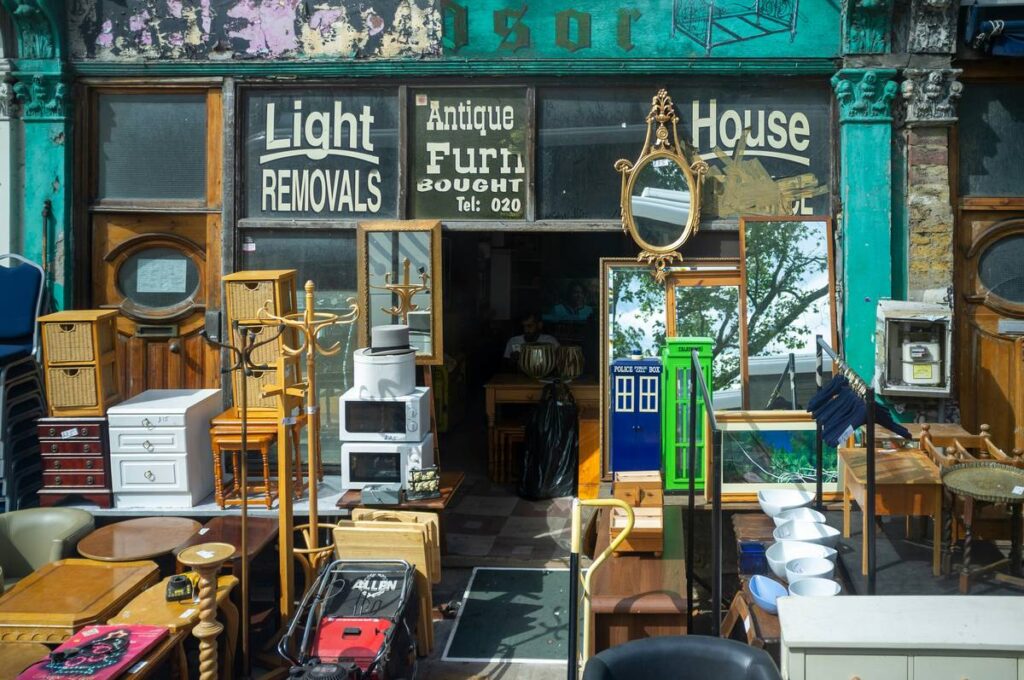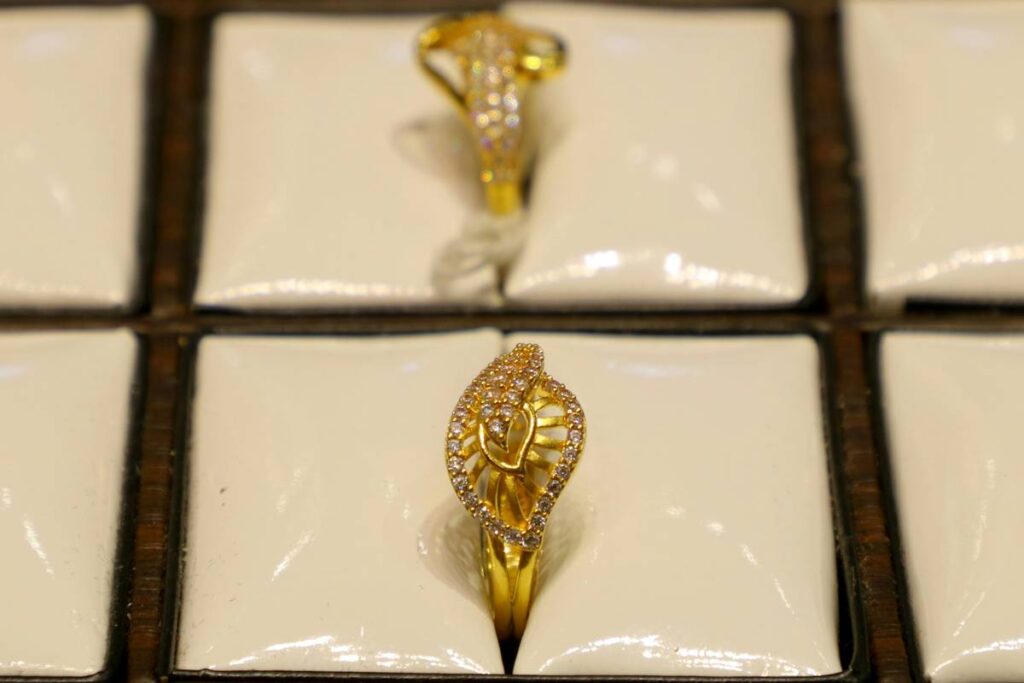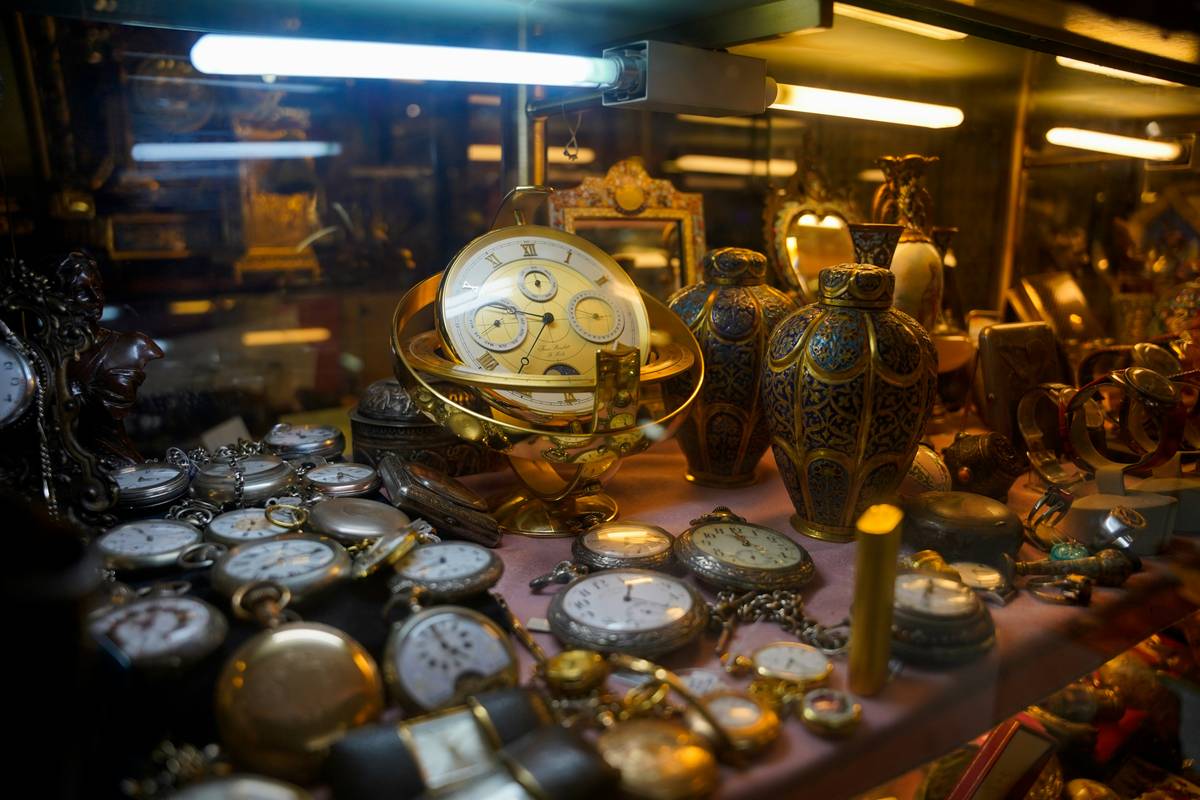
Ever walked into an estate auction, spotted a dusty vase tucked behind a broken dresser, and wondered if it’s worth thousands—or just landfill? You’re not alone. In the world of estate & antique auctions, separating treasure from trash hinges on one core question: what makes an antique valuable? Spoiler: it’s rarely just age. Misjudging this could cost you thousands in missed opportunities or regrettable bids. At Jematzer Actor Auctioneers, we’ve spent decades navigating attics, basements, and probate sales—sometimes learning the hard way. (More on that later.) This guide cuts through the myths with actionable insights rooted in real auction data and hands-on experience.
Table of Contents
- Why Antique Value Isn’t Just About Age
- Step-by-Step Guide to Assessing Antique Worth
- Best Practices for Maximizing Antique Valuations
- Real-World Case Studies from Estate Auctions
- Frequently Asked Questions
Key Takeaways
- Rarity, condition, provenance, and demand outweigh mere age in determining value.
- Auction houses like ours rely on forensic-level detail—not gut feelings—to price items.
- Misidentifying reproductions as antiques is the #1 costly error new collectors make.
- Professional appraisals can increase net proceeds by 20–40% in estate liquidations (per American Society of Appraisers).
Why Antique Value Isn’t Just About Age
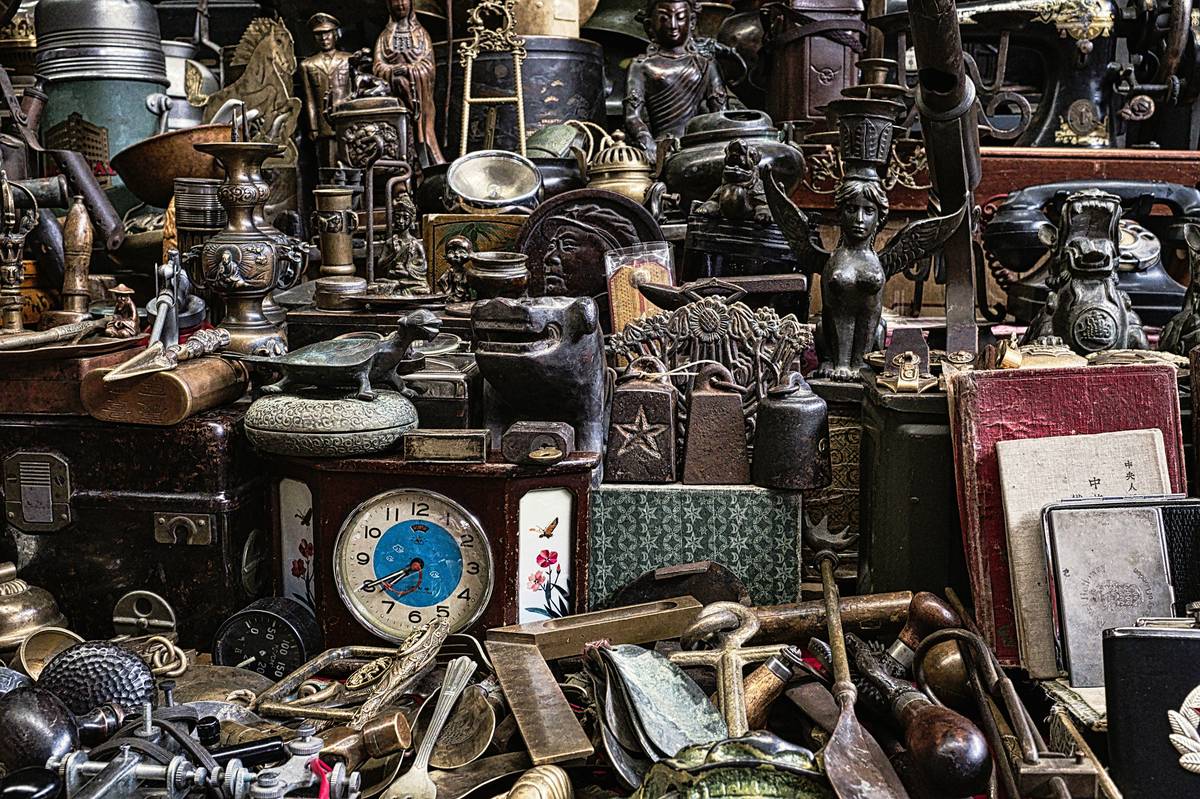
Many assume “older = more valuable.” Wrong. A mass-produced 19th-century chair may fetch $50, while a pristine 1950s Eames lounge chair sells for $6,000. The real drivers of what makes an antique valuable are nuanced. According to the Smithsonian Institution, only 3–5% of items labeled “antique” at estate sales meet true collector criteria. I learned this the hard way early in my career: I once passed on a signed Tiffany lamp because its wiring looked “too new.” Turns out, rewiring vintage lamps is standard practice—and that piece sold weeks later for $28,000. Ouch.
Step-by-Step Guide to Assessing Antique Worth
1. Verify Authenticity First
Check for maker’s marks, hallmarks, or signatures. Use resources like the Marks4Antiques database. Reproductions often have vague or incorrect markings.
2. Evaluate Condition Rigorously
Chips, repairs, or fading matter—but context matters more. A restored Victorian desk may lose 30% value, while a “barn find” car gains charm from patina.
3. Research Provenance
Documentation tracing ownership history (e.g., receipts, photos, letters) can double value. Without it, even rare pieces face skepticism.
4. Gauge Market Demand
Use recent auction results on sites like LiveAuctioneers or Invaluable. If similar items consistently sell below $100, don’t expect a windfall.
Best Practices for Maximizing Antique Valuations
- Never clean aggressively: Original finishes often trump shiny restorations. That grime might be historical evidence.
- Beware the “terrible tip”: Don’t rely on TV appraisers’ snap judgments. Their timelines are theatrical, not transactional.
- Group related items: Selling a complete tea set beats selling cups individually. Curated lots attract serious buyers.
- Get pre-auction consultations: Reputable firms like ours offer free initial assessments. Visit our Contact Us page to schedule yours.
My pet peeve? Sellers who hide damage, thinking “out of sight, out of mind.” Transparency builds trust—and higher bids. We once had a client disclose water damage on a Chippendale table; bidders appreciated the honesty and competed fiercely, landing $1,200 over estimate.
Real-World Case Studies from Estate Auctions
In 2023, we handled a Midwest estate containing Depression-era glassware. Initial estimates pegged the collection at $800. But after identifying rare cobalt blue patterns from Hazel-Atlas—a manufacturer active only 1929–1933—the lot sold for $4,300. Key factors: rarity confirmed via Wikipedia’s authoritative glassware timeline, mint condition, and surging demand among Gen Z collectors.
Conversely, a “1700s” writing desk was pulled last-minute when our expert found particleboard underneath veneer—proving it was a 1970s replica. Had it gone to auction, returns would’ve been negligible. This underscores why understanding what makes an antique valuable requires expertise, not guesswork.
Frequently Asked Questions
How old must something be to be considered an antique?
Generally, 100 years or older—but age alone doesn’t confer value. Many 19th-century items are common and low-value.
Does restoring an antique increase its value?
Rarely. Conservation (stabilizing without altering) is preferred. Restorations often reduce value unless done by specialists using period-correct methods.
Where can I get a reliable antique appraisal?
Seek accredited appraisers through bodies like the American Society of Appraisers. Avoid “free valuation” events at malls—they often inflate estimates to lure consignments.
Are online auction values trustworthy?
Use them as benchmarks, but prioritize final hammer prices from reputable houses over asking prices on eBay or Etsy.
Can modern items become antiques?
Yes—but only after hitting the century mark. Mid-century modern pieces (1940s–1970s) are “collectibles” now, not antiques.
What makes an antique valuable versus just old?
Four pillars: scarcity, condition, documented history, and current buyer demand. Without these, age is just a number.
Understanding what makes an antique valuable transforms chaotic estate cleanouts into strategic opportunities. Whether you’re clearing a relative’s home or building a collection, knowledge pays dividends. At Jematzer Actor Auctioneers, our team combines archival research with auction-floor instincts honed since 1987—see our full story on the About Us page. Ready to unlock your items’ true potential? Contact us for a no-obligation consultation. And remember: every dust bunny hides a story—but only experts know which ones are worth telling.