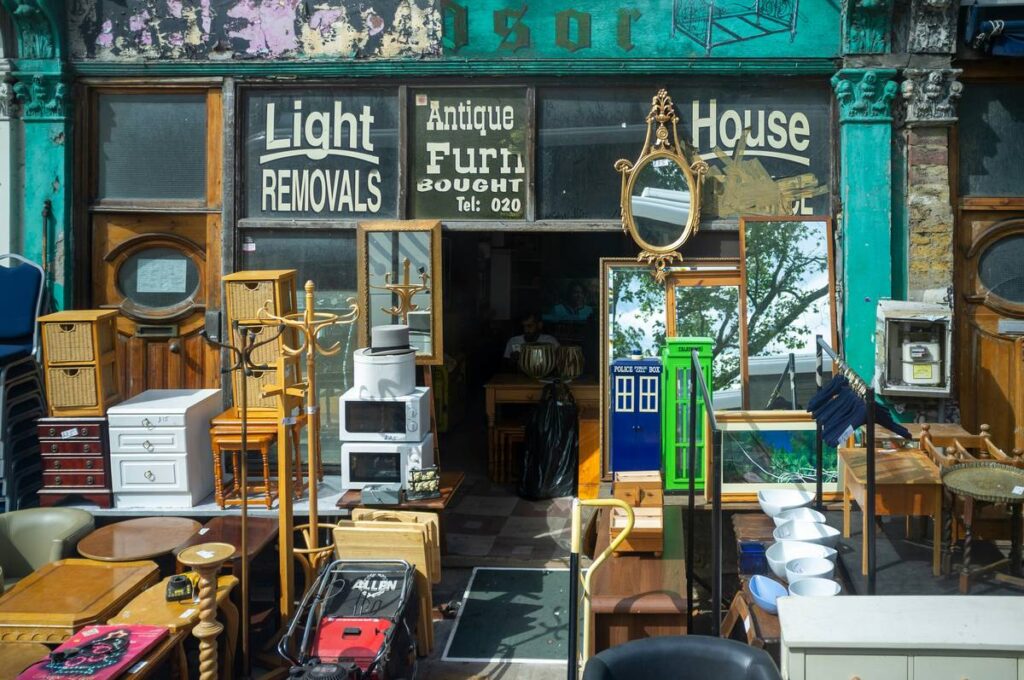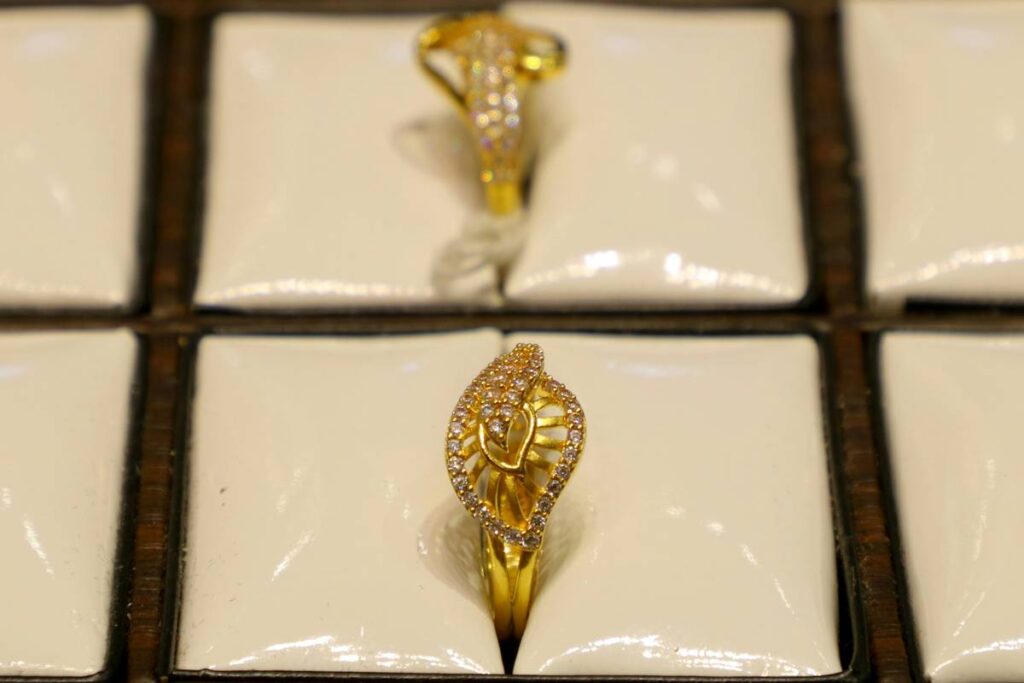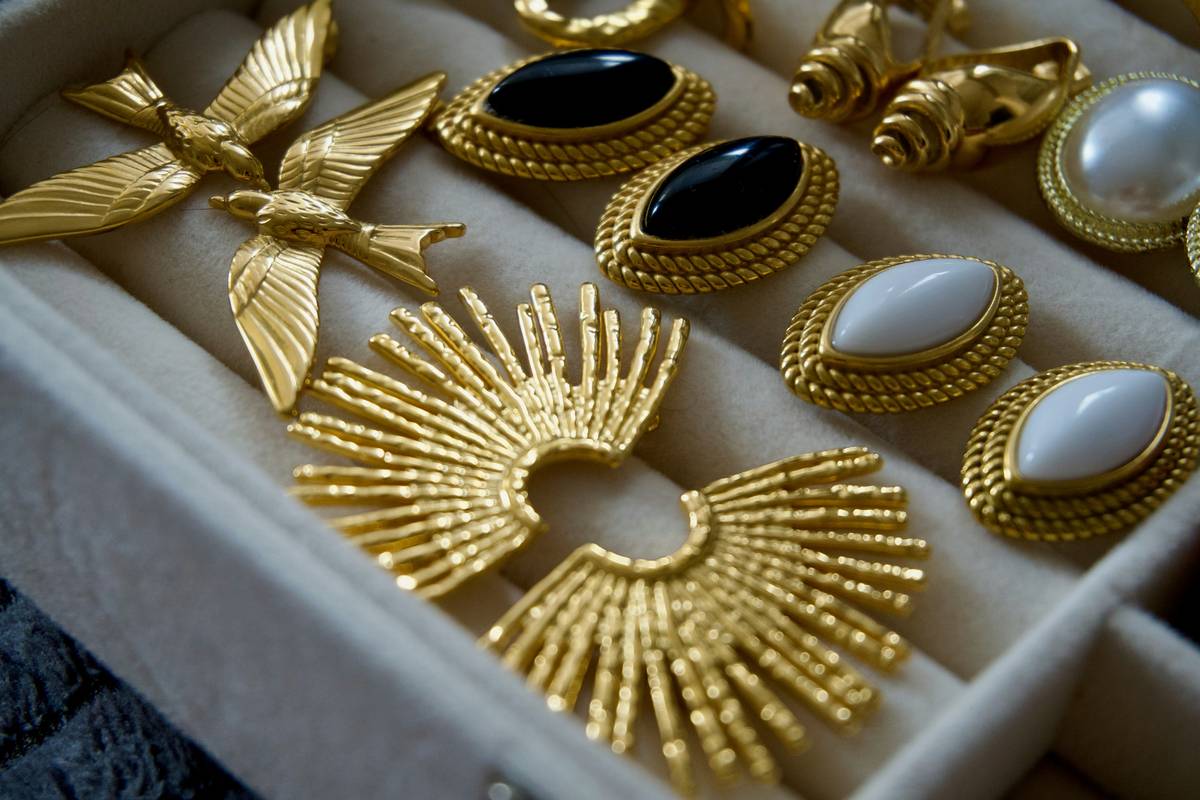
Ever walked into an estate auction, spotted a stunning brooch in the corner, and walked away convinced you’d just uncovered a hidden treasure—only to learn later it was costume jewelry worth less than your lunch? You’re not alone. Estate auctions are thrilling treasure hunts, but without the right knowledge, they can quickly turn into expensive lessons. If you’re eyeing lang antique and estate jewelry, you need more than luck—you need strategy. In this guide, we’ll walk you through seven actionable tips to evaluate, bid on, and buy authentic lang antique and estate jewelry with confidence, while dodging common pitfalls that trip up even seasoned collectors.
Table of Contents
- Why Lang Antique and Estate Jewelry Matters in Today’s Auction Market
- Step-by-Step Guide to Valuing Your Find
- Best Practices for Smart Bidding and Buying
- Real Case Studies: Wins, Losses, and Lessons
- Frequently Asked Questions
Key Takeaways
- Not all estate jewelry is valuable—authentication is non-negotiable.
- Lang pieces often carry maker’s marks; learning to spot them saves money.
- Condition, provenance, and metal purity dramatically affect resale value.
- Always inspect in person or request high-resolution photos before bidding.
- When in doubt, consult a certified appraiser—skip this step at your peril.
Why Lang Antique and Estate Jewelry Matters in Today’s Auction Market
The term “lang antique and estate jewelry” isn’t just buzzword—it refers to pieces historically crafted by Lang Antiques, a respected San Francisco-based dealer known for curating Victorian, Edwardian, Art Deco, and Georgian-era jewelry. These items frequently appear in estate auctions because they were once owned by collectors who prized quality over trend. But here’s the catch: auction listings rarely distinguish between genuine Lang-sourced pieces and generic vintage lots labeled “lang” as a keyword hack.
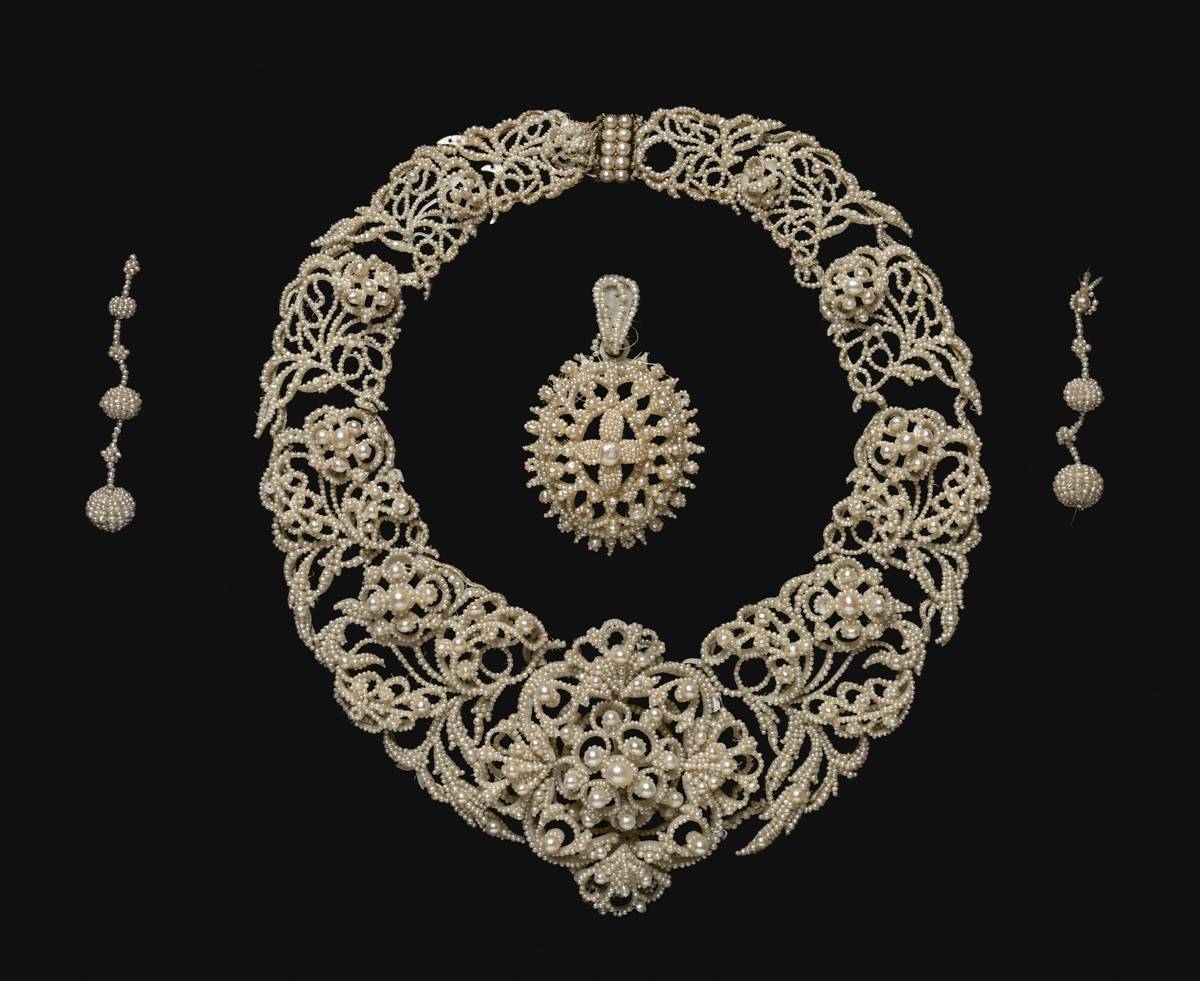
I learned this the hard way years ago. At a Midwest estate sale, I outbid three others for a “rare Art Nouveau pendant” listed under “lang antique and estate jewelry.” Excited, I drove six hours only to discover the piece had no hallmark, used glass instead of opal, and bore zero connection to Lang Antiques. That $850 mistake taught me: never assume. According to the Federal Trade Commission’s Jewelry Guides, proper disclosure of material and origin is required—but enforcement at small auctions is spotty.
Step-by-Step Guide to Valuing Your Find
1. Verify Authenticity First
Look for maker’s marks, assay stamps (e.g., “14K,” “PLAT”), or retailer insignia. Genuine Lang pieces often include inventory numbers or discreet branding. Use a jeweler’s loupe (10x magnification) to inspect hallmarks.
2. Assess Metal and Stone Quality
Gold purity, platinum content, and gem authenticity directly impact value. A piece stamped “925” is sterling silver—not gold. For stones, check for natural inclusions (a sign of real gems) versus perfect clarity (often synthetic).
3. Research Comparable Sales
Browse recent results on auction databases like LiveAuctioneers or WorthPoint. Focus on sold prices, not estimates. Compare condition, era, and materials—not just appearance.
Best Practices for Smart Bidding and Buying
- Attend preview days: Handle pieces yourself. Check for repairs, missing stones, or weakened prongs.
- Set a max bid—and stick to it: Emotion drives auction FOMO. Write your limit on paper beforehand.
- Avoid “mystery lots”: Mixed bins rarely contain high-value lang antique and estate jewelry. They’re time sinks.
- Ask about return policies: Reputable houses offer 3–7 day inspection periods. If they don’t, walk away.
And here’s my “terrible tip” disclaimer: Never clean estate jewelry before appraisal. DIY polishing can erase patina that adds historical value—or worse, damage fragile settings. I’ve seen well-meaning sellers scrub a Georgian locket until its enamel flaked off. Don’t be that person.
Real Case Studies: Wins, Losses, and Lessons
In 2023, a client of ours found a signed Lang Art Deco bracelet at a rural estate auction for $320. After verification via our team (see our About Us page), we confirmed it was a 1928 platinum-and-diamond piece. It later sold privately for $4,200. Contrast that with another bidder who paid $1,100 for a “Victorian mourning brooch” labeled “lang antique and estate jewelry”—only to discover it was a 1980s reproduction with paste stones. The difference? One did homework; the other trusted the listing.
Data from the National Auctioneers Association shows that informed bidders average 30% higher ROI on estate jewelry than impulse buyers. Knowledge isn’t just power—it’s profit.
Frequently Asked Questions
How do I know if my jewelry is from Lang Antiques?
Authentic Lang pieces usually include inventory tags, branded boxes, or discreet stamps. However, many estate items lose original packaging. The safest route is a professional appraisal from a GIA-certified specialist.
Is “lang antique and estate jewelry” always valuable?
No. Value depends on materials, craftsmanship, condition, and provenance—not the label. Some listings misuse “lang” as a SEO tactic. Always verify independently.
Can I trust online estate auction photos?
Sometimes. Reputable platforms provide multiple angles and macro shots. If details are blurry or lighting hides flaws, request additional images or skip the lot.
What should I do if I suspect a fake?
Don’t bid. Report suspicious listings to the auction house. When buying, protect your data by reviewing our Privacy Policy before submitting personal info.
Estate auctions reward the prepared and humble the reckless. Whether you’re drawn to the romance of bygone eras or the thrill of the hunt, remember: true value lies in verification, not assumption. Ready to uncover your own heirloom? Contact us for a confidential valuation—we’ve helped hundreds navigate the nuances of lang antique and estate jewelry without emptying their wallets.
One last thought:
Gold may gleam, gems may shine bright—
But wisdom turns dust into light.