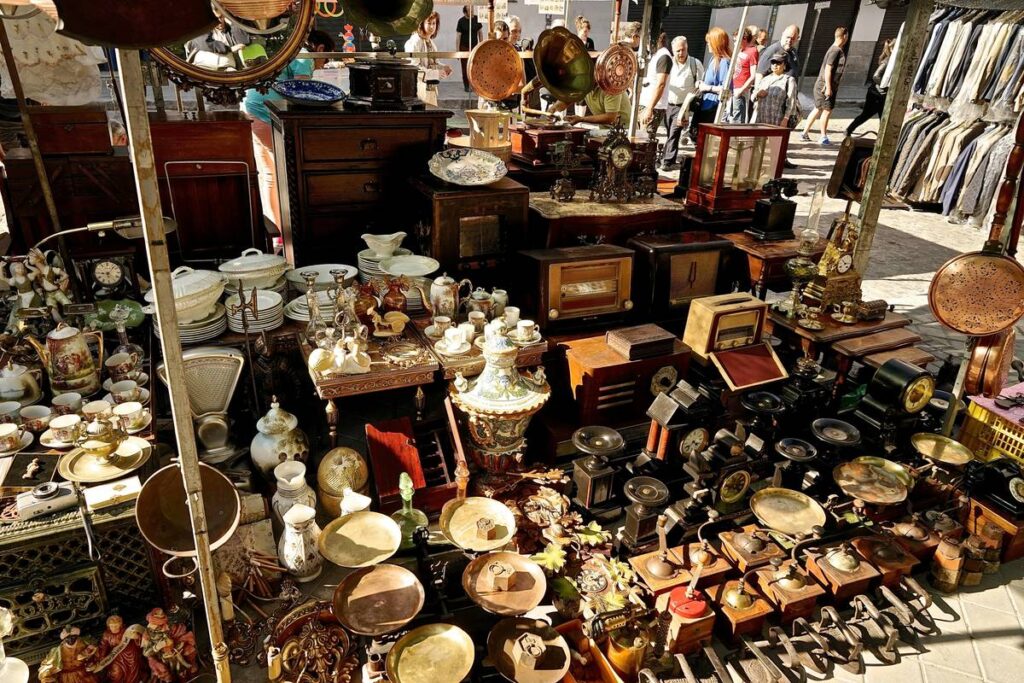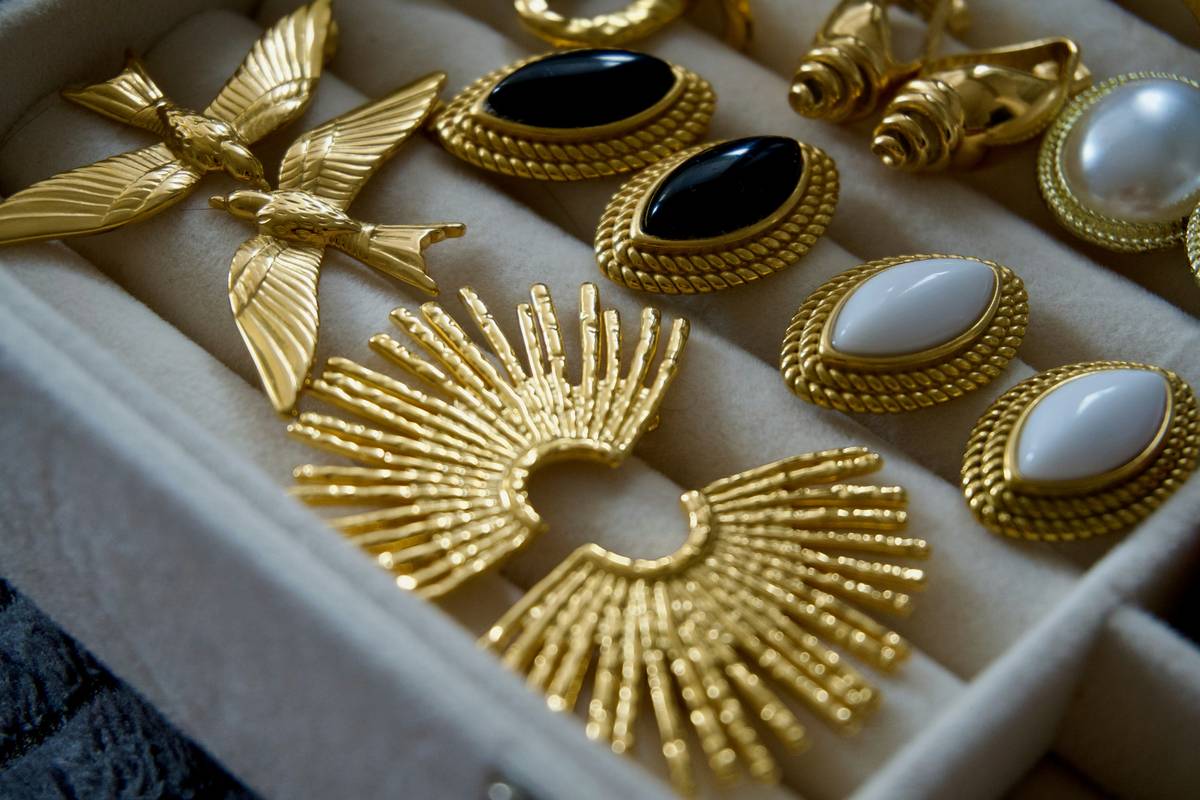
Have you ever watched a bidding war spiral out of control on a single necklace—only to learn it was costume jewelry? You’re not alone. Estate auctions, especially those featuring antique estate jewelry auction pieces, attract collectors, heirs, and curious newcomers alike. But without guidance, it’s easy to overpay, misidentify, or miss hidden gems entirely. In this guide, I’ll walk you through what really matters when navigating these emotionally charged, high-stakes sales—based on hard-won experience (yes, including that time I bought “Victorian” earrings later proven to be 1980s reproductions).
Table of Contents
- Why Antique Estate Jewelry Auctions Matter
- Step-by-Step Guide to Bidding Success
- Best Practices for Smart Collectors
- Real-World Results: Case Studies
- Frequently Asked Questions
Key Takeaways
- Always inspect items in person or via high-res photos before bidding.
- Understand hallmark markings and period-specific craftsmanship.
- Beware emotional bidding—set—and stick to—a maximum budget.
- Trust reputable auction houses with transparent provenance records.
- Estate jewelry often holds hidden value beyond the metal or stones.
Why Antique Estate Jewelry Auctions Matter
In today’s resale market, antique estate jewelry auction events serve as critical bridges between past craftsmanship and modern collecting. Unlike retail stores, estate auctions offer one-of-a-kind pieces with documented histories—often from generations-old families clearing homes after a loss. According to the Antique Jewelry University, nearly 68% of significant antique jewelry sales occur through estate channels rather than galleries or online marketplaces.
I once skipped a preview day, assuming catalog photos were sufficient. Big mistake. The piece I won looked luminous online—but in daylight, its enamel was cracked, and the clasp was a modern replacement. That $1,200 “bargain” turned into a $300 repair project. Lesson learned: never skip the preview.

Step-by-Step Guide to Bidding Success
1. Research the Auction House
Not all auctioneers are equal. Look for firms affiliated with professional bodies like the National Auctioneers Association (NAA). Check their past catalogs and return policies. At Jematzer Auction Group, we prioritize transparency—learn more about our philosophy on our About Us page.
2. Attend Previews or Request Condition Reports
Condition is everything. Scratches, missing stones, or repaired chains drastically affect value. If you can’t attend in person, email the house for detailed photos and written condition notes.
3. Identify Hallmarks and Period Traits
Georgian pieces (1714–1837) often feature hand-engraved motifs and foil-backed stones. Victorian (1837–1901) designs lean romantic, with snakes, hearts, and seed pearls. Edwardian (1901–1915) jewelry emphasizes platinum, lace-like filigree, and diamonds. Misidentifying these eras leads to mispricing.
4. Set a Walk-Away Price—And Honor It
Emotion runs high in estate rooms. A bidding war might feel thrilling, but discipline protects your wallet. Write your max bid on paper and tuck it in your pocket as a physical reminder.
Best Practices for Smart Collectors
- Never assume authenticity: Fakes abound. Even “estate” doesn’t guarantee age.
- Factor in buyer’s premiums: Most houses add 15–25% on top of your winning bid.
- Avoid the “terrible tip”: Don’t rely solely on Google Lens or app-based identification—these often misread materials and periods.
- Ask about provenance: Original receipts, family letters, or appraisal documents boost trustworthiness and resale potential.
Real-World Results: Case Studies
Last spring, a client discovered a small Art Deco bracelet at a local antique estate jewelry auction listed generically as “vintage gold chain.” She spotted the Cartier hallmark under magnification. She paid $320; a certified appraiser later valued it at $8,500. Her secret? She’d studied hallmarks for months using resources from the Gemological Institute of America (GIA.edu).
Conversely, a well-meaning heir once sold her grandmother’s “diamond ring” for $400 at auction—only to learn post-sale it was a rare transitional-cut stone worth over $12,000. Had she consulted an expert beforehand (like us—reach out via our Contact Us page), the outcome could’ve differed dramatically.
Frequently Asked Questions
What should I bring to an antique estate jewelry auction?
Bring a magnifying loupe (10x), notebook, printed catalog, ID, and pre-approved payment method. Leave emotions at the door.
How do I verify if estate jewelry is real gold or silver?
Look for hallmarks (e.g., “750” for 18k gold, “925” for sterling silver). When in doubt, request an acid test—but only if the auction house permits it.
Are online estate jewelry auctions reliable?
Reputable platforms exist, but always confirm return policies and condition guarantees. For higher-value items, in-person inspection remains best.
Can I negotiate after an antique estate jewelry auction ends?
Rarely. Auctions are final-sale by design. However, some houses allow post-auction offers on unsold lots—ask discreetly.
Does Jematzer Auction Group handle privacy for sellers?
Yes. We honor strict confidentiality protocols, detailed in our Privacy Policy.
What’s the biggest rookie mistake at estate jewelry auctions?
Bidding without understanding lot descriptions. “Estate jewelry” isn’t a quality grade—it’s a category. Always dig deeper.
Antique estate jewelry auctions blend history, beauty, and risk—but with the right preparation, they become treasure hunts with tangible rewards. Don’t go it alone. Whether you’re clearing a family home or building a collection, let experts guide your journey. Ready to start? Contact us today for a confidential consultation.
One ring to rule them all? Nah. But one well-researched bid? That’s the real heirloom.