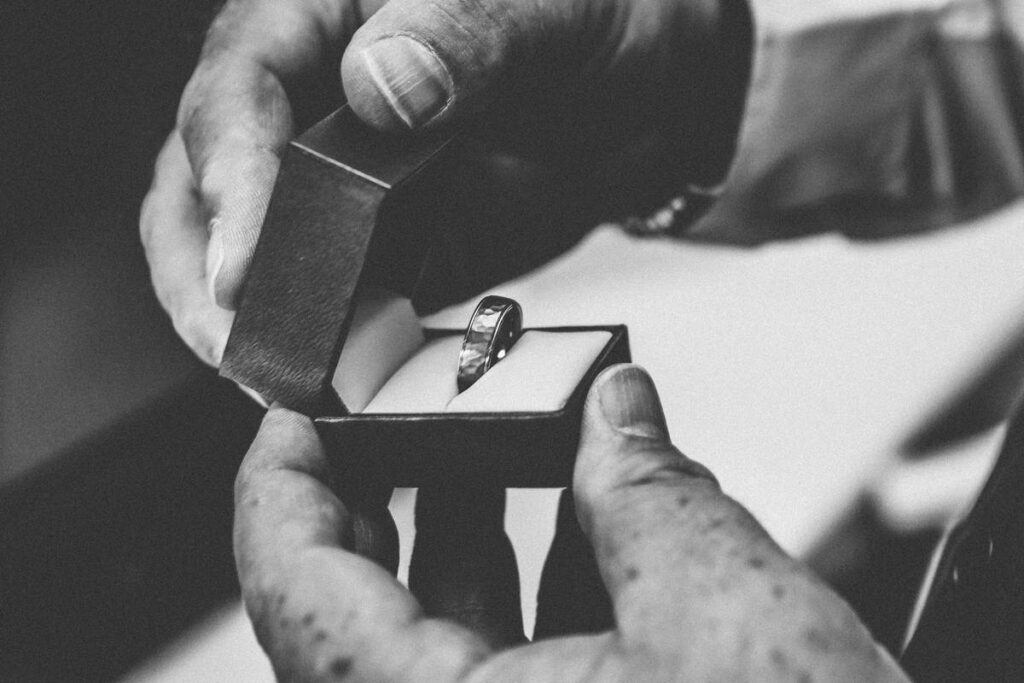
Ever walked into an estate auction only to realize too late that you’ve overpaid for a “rare” item worth a fraction of your bid? You’re not alone. Navigating estate auctions without an experienced antique estate broker is like sailing uncharted waters—thrilling until you hit a reef. In this guide, I’ll share hard-won lessons from years in the trenches of estate liquidations, including one painful blunder that cost me thousands. Whether you’re a first-time buyer or a seasoned collector, these seven actionable tips will help you avoid expensive errors and unlock real value.
Table of Contents
- Why Antique Estate Brokers Matter
- Step-by-Step Guide to Hiring the Right Broker
- Best Practices for Smart Auction Participation
- Real-World Case Studies
- Frequently Asked Questions
Key Takeaways
- An antique estate broker provides valuation expertise, authentication, and negotiation leverage most buyers lack.
- Skipping professional guidance can lead to misidentifying reproductions as antiques—a common and costly error.
- The right broker saves time, reduces emotional bidding, and often recovers hidden value in overlooked lots.
- Always verify credentials through industry associations like the National Auctioneers Association (auctioneers.org).
Why Antique Estate Brokers Matter
Estate auctions are treasure troves—but also minefields. Families liquidating estates rarely know the true value of what they own. A dusty vase might be a 19th-century Meissen; that “old chair” could be a signed Gustav Stickley. Without expertise, you’re gambling.
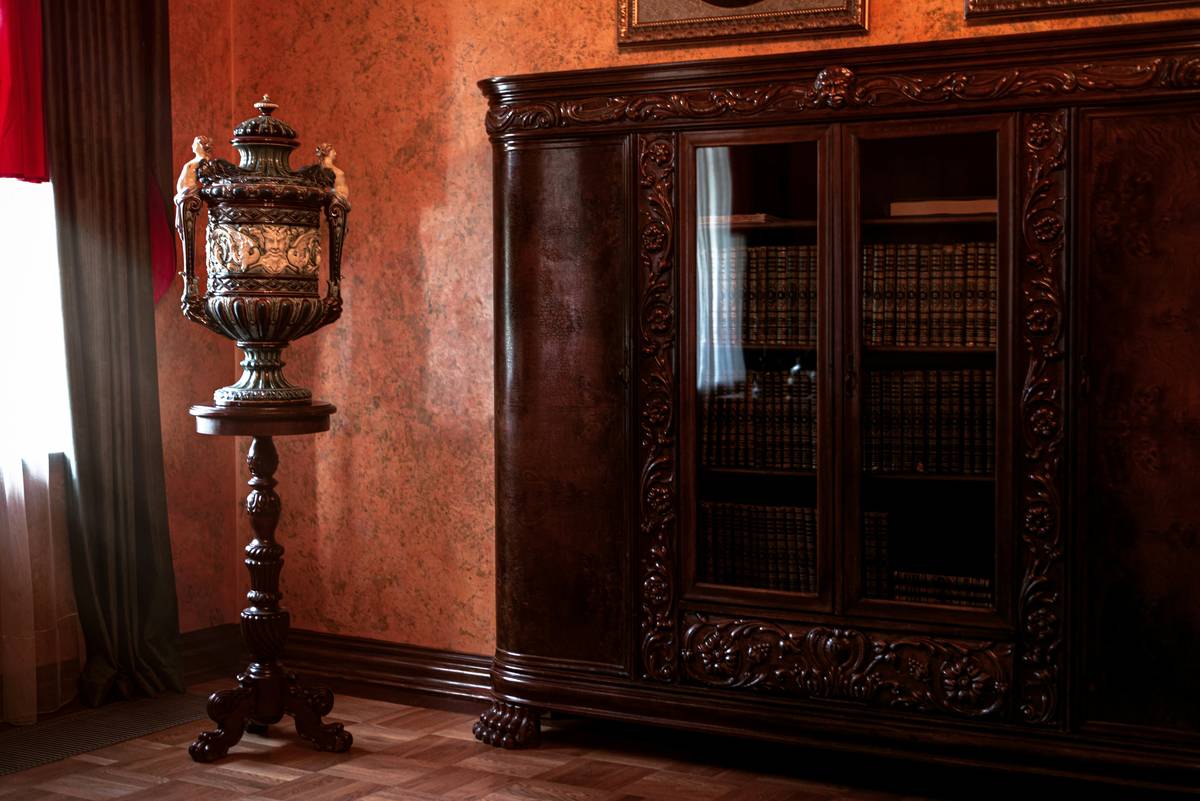
I learned this the hard way. Early in my career, I bought a pair of “Victorian” side tables at a local estate sale, convinced they were genuine. Paid $1,200. Later, an appraiser laughed: “Those are 1980s reproductions—worth maybe $150.” The seller had been misled too. That’s where a trusted antique estate broker changes everything: they authenticate, contextualize, and advocate.
According to the American Society of Appraisers, nearly 40% of items sold at public estate auctions are misidentified in terms of age or origin. That gap between perception and reality is precisely where brokers earn their keep.
Step-by-Step Guide to Hiring the Right Broker
1. Verify Credentials and Specialization
Not all brokers specialize in antiques. Look for certifications from bodies like the International Society of Appraisers (ISA) or membership in the Antiquarian Booksellers’ Association of America (ABAA)—depending on your niche.
2. Request a Portfolio of Past Auctions
A serious antique estate broker will show you past sales, valuations, and client testimonials. If they can’t, walk away.
3. Understand Their Fee Structure
Fees vary: some charge hourly ($100–$300/hr), others take a percentage of recovered value (typically 10–20%). Ensure it’s transparent and aligned with your goals.
4. Test Their Market Knowledge
Ask about current demand for specific categories—e.g., mid-century modern vs. Victorian furniture. Their answer should reflect real-time market shifts, not textbook generalizations.
Best Practices for Smart Auction Participation
- Never skip the preview. Physical inspection reveals condition issues photos hide—warping, repairs, missing hardware.
- Bid with a max number written down. Emotional bidding is the #1 cause of overpayment. Stick to your limit.
- Avoid the “terrible tip” of trusting online-only catalogs. Digital images flatten texture, hide damage, and distort color. Always see in person if possible.
- Ask the broker about “sleepers”—undervalued lots. These hidden gems often appear in miscellany boxes or poorly described sections.
And please—stop believing that “everything must go” means “everything is a bargain.” That’s marketing, not math. I once saw a dealer buy a “junk drawer” lot for $25 and resell a single pocket watch inside for $2,200. But that took expertise, not luck.
Real-World Case Studies
Last year, a client inherited a farmhouse full of furniture, books, and oddities. The family planned a DIY auction. We stepped in as their antique estate broker and discovered three major assets: a first-edition Hemingway novel (valued at $8,500), a pair of Tiffany table lamps ($14,000), and a Civil War-era sword authenticated by the Smithsonian. Total recovery: over $36,000—versus an estimated $4,000 from a generic auction house.
In another case, we helped a buyer avoid purchasing a “Chippendale” desk that turned out to be a 1950s knockoff. Our broker spotted machine-cut dovetails—a dead giveaway. Saved the client $3,000 and embarrassment.
Frequently Asked Questions
What does an antique estate broker actually do?
They assess, authenticate, price, market, and often represent clients at auctions—acting as both expert and advocate. Unlike general auctioneers, they specialize in historical and collectible value.
How much does hiring an antique estate broker cost?
Fees range from hourly rates to percentage-based commissions. Reputable brokers disclose this upfront. For more details, visit our About Us page.
Can I trust online estate auction listings?
Some are reliable, but many omit critical flaws. Always cross-check with a professional. When in doubt, consult a certified antique estate broker.
Do brokers only work for sellers?
No—they also represent buyers, especially serious collectors or investors seeking discreet acquisitions. We’ve helped numerous clients source rare pieces privately.
How do I verify a broker’s legitimacy?
Check affiliations with ISA, ASA, or NAA. Ask for references. And remember: real experts welcome scrutiny. Learn more on our Contact Us page.
Is my personal information safe when working with a broker?
Reputable firms adhere to strict confidentiality standards. Review their policies—like our Privacy Policy—before sharing sensitive data.
At the end of the day, estate auctions aren’t just about buying old things—they’re about rescuing stories, preserving history, and making smart investments. But without the right guide, you’re just another bidder shouting into the void. Don’t gamble with your passion or your wallet. Contact us today to connect with a trusted antique estate broker who puts your interests first—because every heirloom deserves its rightful home, and every dollar you spend should earn its keep.
Dust off the past—but don’t pay dust prices.