
Ever walked into an estate auction, eyes locked on a gleaming fender under dusty canvas, only to realize too late that you’d just bought a beautifully wrapped headache? You’re not alone. Estate old car auctions lure collectors with nostalgia and potential profit—but they also hide pitfalls that can drain your wallet and patience. In this guide, we’ll walk you through exactly how to navigate estate auctions for vintage vehicles without falling into common traps. From verifying provenance to spotting “barn find” mirages, you’ll learn what really matters when bidding on an estate old car.
Table of Contents
- Why Estate Old Cars Demand Caution
- Step-by-Step Guide to Buying an Estate Old Car
- Best Practices for Smart Bidding
- Real Auction Case Studies
- Frequently Asked Questions
Key Takeaways
- Not all “estate finds” are valuable—some are just old metal with emotional baggage.
- Always verify title status and lien history before bidding.
- A pre-auction inspection is non-negotiable; bring a mechanic if possible.
- Use resources like the National Association of Estate Planners & Councils for legitimacy checks.
- Know when to walk away—nostalgia shouldn’t override financial sense.
Why Estate Old Cars Demand Caution
Estate auctions often feature vehicles untouched for decades—cars tucked away in garages after a loved one’s passing, their stories frozen in time. But sentiment doesn’t equal value. I once bid $8,000 on a 1965 Ford Mustang described as “fully original, driven by the owner since new.” The photos looked pristine. At pickup, I discovered the engine block was cracked, the interior moldy, and worst of all—there was no title. Just a handwritten note saying, “Dad always said it was his pride.” That “pride” cost me three months of legal wrangling and a total loss.
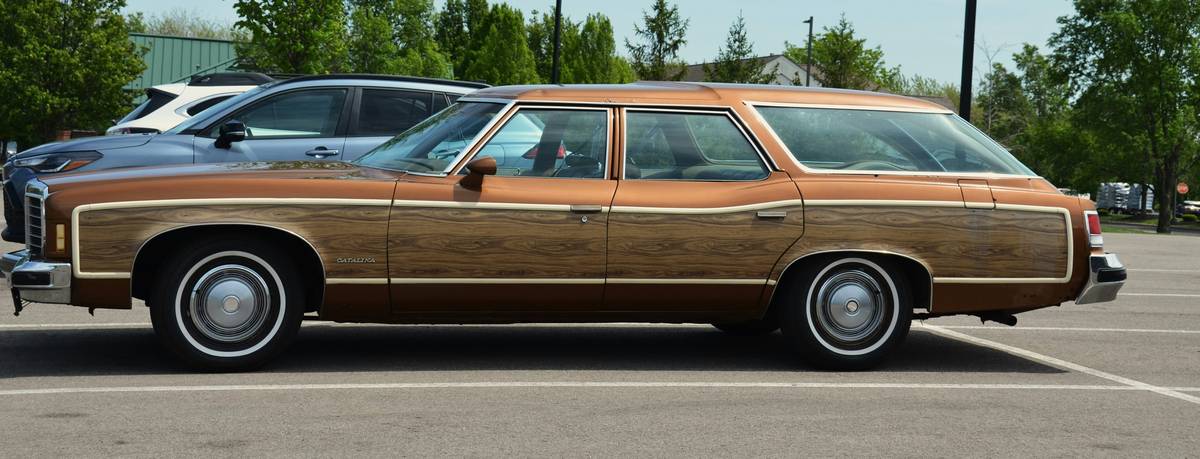
According to the National Association of Estate Planners & Councils, nearly 30% of estate vehicle sales involve incomplete paperwork or missing titles—issues that can invalidate ownership transfer. Unlike dealer sales, estate auctions operate “as-is,” meaning zero warranties and minimal buyer recourse.
Step-by-Step Guide to Buying an Estate Old Car
1. Research the Auction House
Not all auctioneers specialize in collectibles. Check if they have experience with classic cars. Reputable firms often partner with appraisers and provide condition reports. Review their About Us page—or equivalent—to assess credibility.
2. Request Full Documentation
Demand copies of the title, maintenance logs (if any), and seller authorization. In many states, selling a vehicle from an estate requires court approval or executor verification. If they can’t provide it, walk away.
3. Inspect In Person (or Hire Someone Who Can)
Online photos lie through omission. Rust under wheel wells, mismatched panels, or replaced VIN plates won’t show up in glossy shots. Bring a flashlight and a magnet (to detect body filler). Better yet, hire a local classic car specialist.
4. Verify Title Status
Use your state’s DMV portal or services like EPA’s Vehicle Registration Check to confirm the car isn’t stolen or salvage-branded. A clean title is worth more than any patina.
Best Practices for Smart Bidding
- Set a hard max bid—include restoration costs. That $5K car might need $15K in work.
- Avoid “sympathy bidding.” Don’t pay more because the seller seems sad—it’s business.
- Beware of “lot bundling.” Some auctions force you to buy multiple items (e.g., car + tools + furniture) to get the vehicle.
- Never assume rarity = value. A 1972 Pinto is rare today—but still undesirable.
And here’s a terrible tip I’ve heard too often: “Just register it as ‘antique’ to bypass smog checks.” Nope. Most states require full compliance regardless of age unless specifically exempted—and exemptions vary widely. Don’t risk fines.
Real Auction Case Studies
In 2023, a Midwest estate auction listed a “1957 Chevrolet Bel Air, survivor car.” The winning bidder paid $22,000. Post-purchase inspection revealed the chassis number didn’t match the engine—a red flag for rebody fraud. After legal consultation, they recovered only 40% via small claims court.
Contrast that with a savvy buyer in Oregon who found a genuine 1969 Dodge Charger R/T at a local estate sale. He verified the broadcast sheet (hidden behind the rear seat), confirmed matching numbers, and paid $18,500—well below market value. It later sold privately for $48,000. His secret? He checked the VIN against Chrysler historical records and had a pre-bid walkthrough approved by the executor.
Frequently Asked Questions
Can you buy an estate old car without a title?
Sometimes, but it’s high-risk. You’ll need a bonded title or court order to register it—processes that vary by state and can take months. Avoid unless you’re prepared for bureaucracy.
How do I know if an estate old car is worth restoring?
Compare its projected post-restoration value (use Hagerty’s valuation tools) against estimated repair costs. If restoration exceeds 60% of resale value, it’s usually not economical.
Are estate auctions better than online marketplaces for classic cars?
They can be—if you do due diligence. Auctions offer lower prices but higher risk. Sites like eBay Motors provide buyer protection; estate sales rarely do.
What documents should accompany an estate old car?
Ideally: clear title, bill of sale, death certificate (to prove estate legitimacy), and executor appointment letter. Missing pieces don’t automatically disqualify—but they demand caution.
Can I inspect the car before bidding?
Most reputable estate auctions allow preview days. If they refuse access, consider it a major warning sign.
Do estate old cars come with warranties?
No. All sales are final and “as-is.” That’s why inspection is critical.
Chasing an estate old car can feel like treasure hunting—but real treasure requires a map, not just hope. If you’re ready to bid with confidence, contact us for a free pre-auction checklist. And remember: your privacy matters—review our Privacy Policy before sharing personal details.