Have you ever walked into an estate auction, spotted a stunning antique estate cupboard tucked in the corner, and instantly pictured it anchoring your dining room—only to overpay, miss critical flaws, or worse, buy a clever replica? You’re not alone. Every year, thousands of collectors and casual buyers get swept up in the emotional rush of estate sales, only to regret their decisions days later. In this guide, we’ll cut through the hype and give you actionable, field-tested strategies to spot value, verify authenticity, and walk away with a genuine treasure—not a costly mistake.
Table of Contents
- Why Antique Estate Cupboards Matter
- Step-by-Step Guide to Buying Smart
- Best Practices for Auction Success
- Real-World Case Studies
- Frequently Asked Questions
Key Takeaways
- Always inspect construction details—hand-cut dovetails signal pre-1860 craftsmanship.
- Avoid bidding without verifying wood type, hardware age, and provenance.
- Use a flashlight and magnifying glass; surface grime often hides damage or repairs.
- Set a strict max bid before the auction starts—and stick to it.
- One buyer’s “junk” is another’s jackpot—but only if you know what to look for.
Why Antique Estate Cupboards Matter
Antique estate cupboards aren’t just furniture—they’re time capsules. Originating in 17th- to 19th-century Europe and America, these pieces stored everything from linens to silverware and often reflected the owner’s social status. Today, a well-preserved example can fetch $1,500 to $15,000+, depending on origin, maker, and condition (The Met’s collection showcases several historically significant specimens).
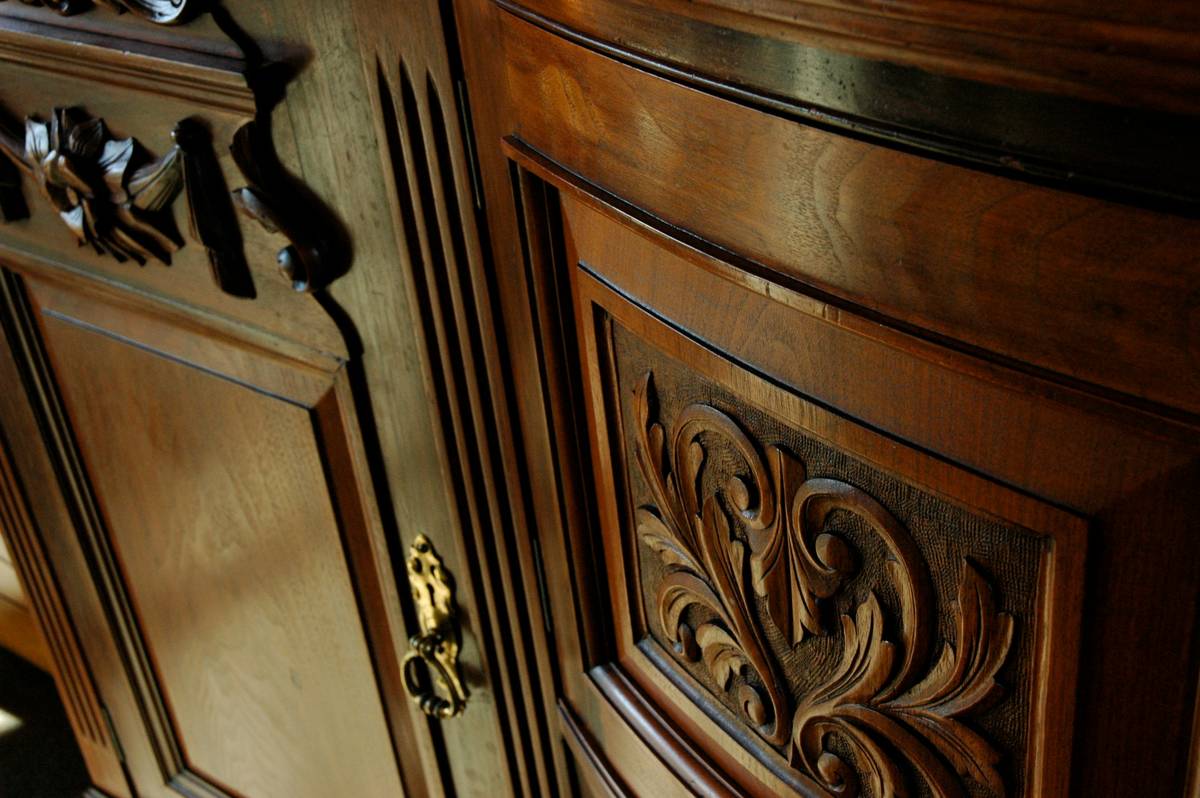
I learned this the hard way five years ago. At a rural Ohio estate sale, I spotted a gorgeous walnut cupboard with original lock plates. Blinded by its patina, I skipped a full inspection and won the bid at $2,200. Back home, I discovered extensive insect damage in the back panels and that the “original” hinges had been swapped in the 1940s. Lesson burned into memory: never let emotion override due diligence.
Step-by-Step Guide to Buying Smart
1. Research Before You Register
Check the auction catalog online. Note lot numbers featuring an antique estate cupboard, then cross-reference styles with resources like the Wikipedia Furniture page or museum databases. Know the difference between Georgian, Victorian, and Shaker designs.
2. Arrive Early for Physical Inspection
Often, photos hide cracks, veneer lifts, or mismatched feet. Bring a small flashlight to examine joints and undersides. Real antiques show wear consistent with age—uneven drawer runners, tool marks inside shelves, and non-uniform aging.
3. Verify Authenticity Markers
Look for hand-cut dovetails (irregular spacing), rose-headed nails, and wood types common to the era (oak, mahogany, walnut). Machine-cut dovetails post-1860 usually mean it’s not as old as claimed.
4. Set and Enforce Your Budget
Factor in potential restoration costs. If the piece needs $500 in repairs, subtract that from your max bid. Write your limit on your hand—then don’t exceed it, even if the room gets competitive.
Best Practices for Auction Success
- Ask about condition reports. Reputable auction houses provide them; if they don’t, be extra cautious.
- Never trust “looks old” as proof. Fakes use tea staining, artificial wormholes, and distressed paint to mimic age.
- Bid last-second only in online auctions. In live rooms, raising your paddle early can deter others who assume you’re committed.
- And here’s one terrible tip I’ve heard too often: “Just flip it—you’ll make money either way.” Nope. The market for unverified or poorly restored pieces is shrinking fast.
My biggest pet peeve? Sellers labeling any old cabinet an “antique estate cupboard” just because it came from an old house. Age ≠ value. A 1940s reproduction lacks the craftsmanship, materials, and historical significance of true antiques. Don’t fall for lazy labeling.
Real-World Case Studies
Last year, a client of ours (we share more about our team on our About Us page) found a Chippendale-style cupboard at a New England estate auction listed simply as “old kitchen cabinet.” She noticed hand-carved shell motifs and solid mahogany construction. After winning it for $850, an expert appraisal valued it at $9,200—thanks to maker’s marks hidden inside a drawer.
Conversely, a 2022 study by the Antiques Trade Gazette found that nearly 30% of “antique” furniture sold at regional auctions lacked verifiable period features. That’s why expertise matters. Always pair instinct with evidence.
Frequently Asked Questions
How do I know if my antique estate cupboard is valuable?
Value hinges on authenticity, condition, rarity, and provenance. Look for original hardware, period-appropriate wood, and construction techniques. When in doubt, consult a certified appraiser.
Can I restore an antique cupboard without losing value?
Yes—if done conservatively. Refinishing original finishes often reduces value, but repairing structural damage with matching materials preserves it. Document every step.
Where are the best places to buy antique estate cupboards?
Reputable estate auctions, specialized antique dealers, and curated online platforms like LiveAuctioneers or 1stDibs. Avoid Facebook Marketplace unless you can inspect in person.
What’s the most common mistake first-time buyers make?
Overlooking hidden damage. They focus on front-facing beauty and miss rot, prior repairs, or missing keys that compromise function and worth.
Are all estate auction items legally acquired?
Most are, but always request documentation. For high-value purchases, ensure the seller has legal title. Review our Privacy Policy if sharing personal details during transactions.
Ready to find your own hidden gem? Start smart, stay skeptical, and never stop asking questions. And if you’re eyeing a specific piece or need a second opinion, contact us—we’ve seen it all, and we’re happy to help.
Remember: the best finds whisper history, not hype.