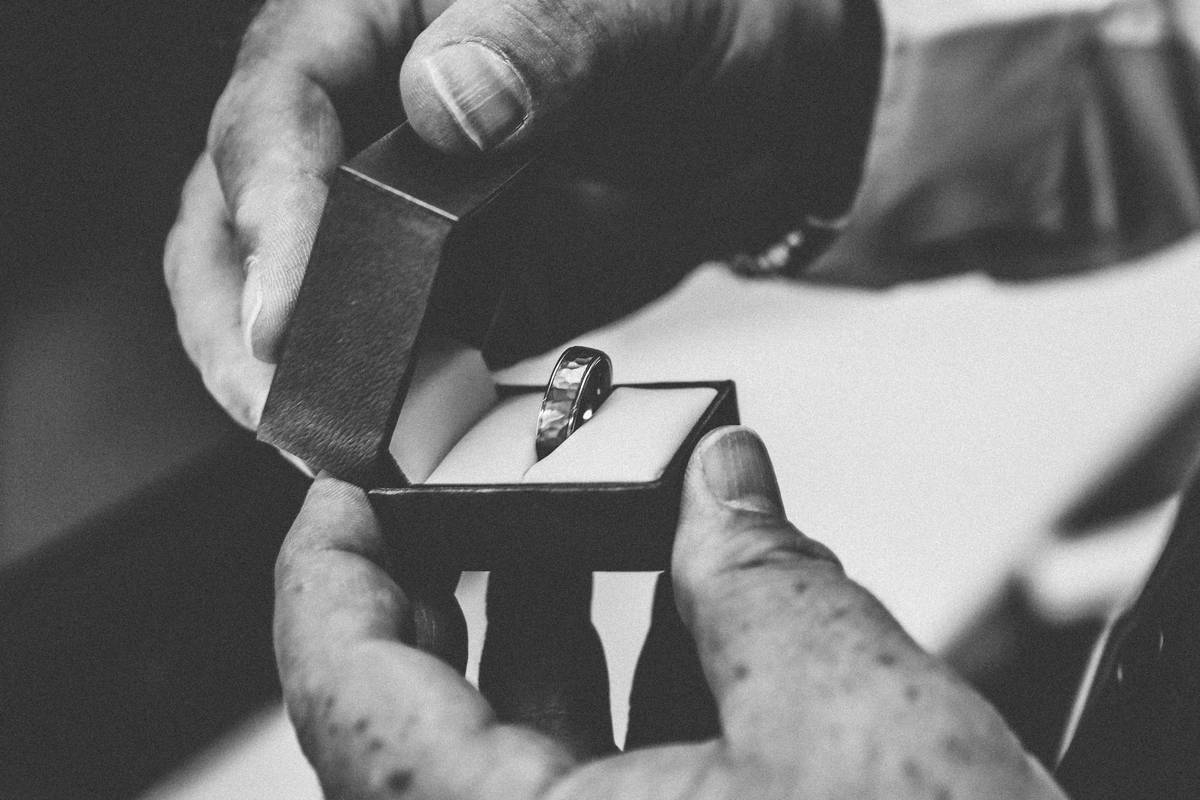
You’ve spotted a listing for waltons estate and antique jewelry—but you’re not sure if it’s a hidden treasure or a costly mistake. The market is flooded with overhyped auction lots, vague provenance, and inflated estimates that leave buyers holding assets worth far less than promised. Here’s the fix: a no-nonsense, field-tested approach to evaluating these pieces so you walk away with value—not vapor.
Why Most Buyers Lose Money on Estate Auctions
Estate auctions like those featuring waltons estate and antique jewelry lure bidders with nostalgia and perceived rarity. But emotion overrides analysis. And that’s deadly.
Auction houses rarely verify every hallmark or disclose repair history. One ring may carry a 19th-century maker’s mark—another could be a 1980s replica passed off as vintage. Without forensic-level scrutiny, you’re gambling, not investing.
The result? Overpaying for sentimental trinkets masquerading as museum-grade antiques. Think about it: if it were truly rare, would it be in a general estate sale—or already tucked inside a private collector’s vault?
Your Step-by-Step Strategy for Buying Waltons Estate and Antique Jewelry
Pre-Auction Research: Dig Beyond the Lot Photo
Demand condition reports. Ask for macro shots of clasps, pin stems, and stone settings. Authentic antique jewelry shows tool marks from handcrafting—not the uniform polish of modern casting.
And never trust “estate” as proof of age. Verify assay marks against hallmark databases (like the London Assay Office archives). A “sterling” stamp post-1940? That’s not Georgian—it’s mid-century at best.
In-Person Inspection: The Non-Negotiable
If you can’t hold it, don’t bid. Period. Photos hide replated finishes, cracked enamel, and replaced stones. Run your fingernail over gem facets—real antique cuts feel subtly uneven; machine-cut fakes are glass-smooth.
Also check weight. Genuine gold has heft. Lightweight “vintage” pieces often signal base metal under thick plating.
Post-Win Verification: Insure Before You Celebrate
Winning the lot is just step one. Within 48 hours, get an independent appraisal from a GIA-certified specialist—not the auction house’s preferred vendor. Insurance claims hinge on third-party validation.
| Approach | Average Cost | Risk Level | Best For |
|---|---|---|---|
| Bid online without inspection | $0–$50 (research time) | High | Decorative purchases only |
| Hire local agent to inspect + bid | $150–$300 | Medium | Serious collectors outside auction region |
| Attend in person + bring loupe & scale | $50–$200 (travel) | Low | waltons estate and antique jewelry investors |
The Industry Secret No Auction House Will Admit
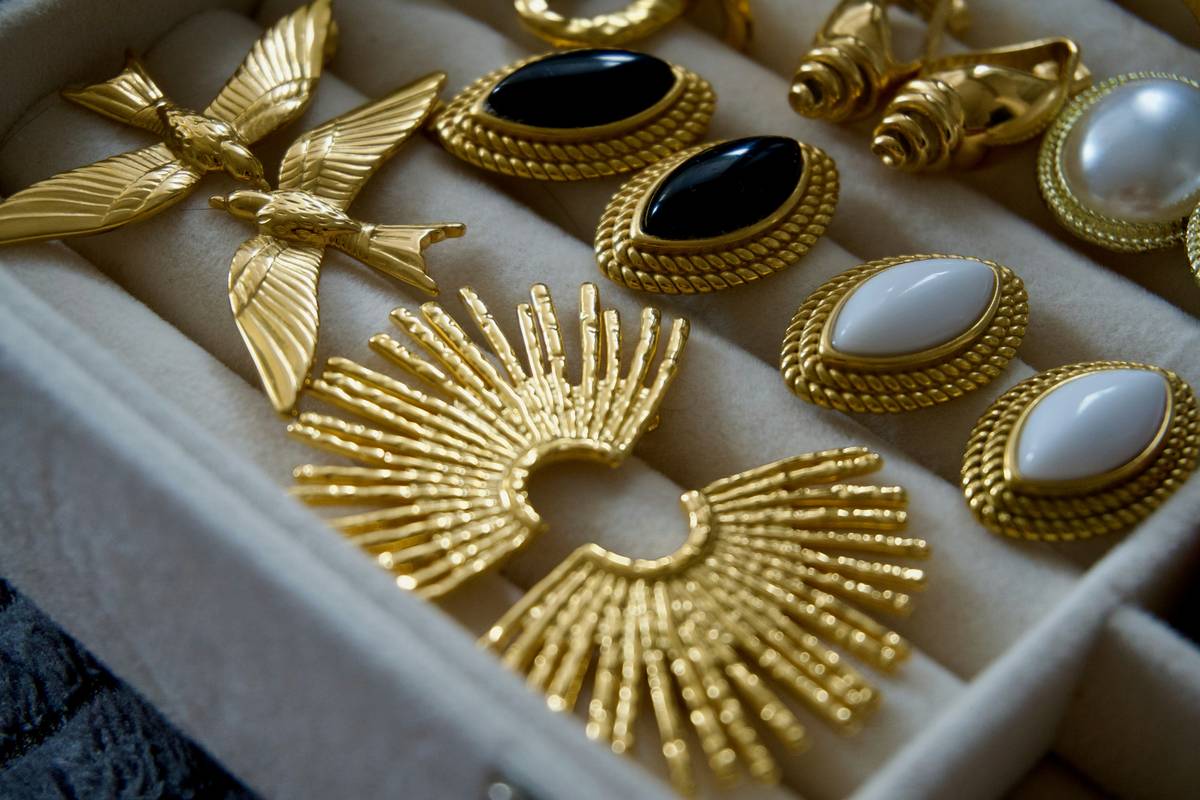
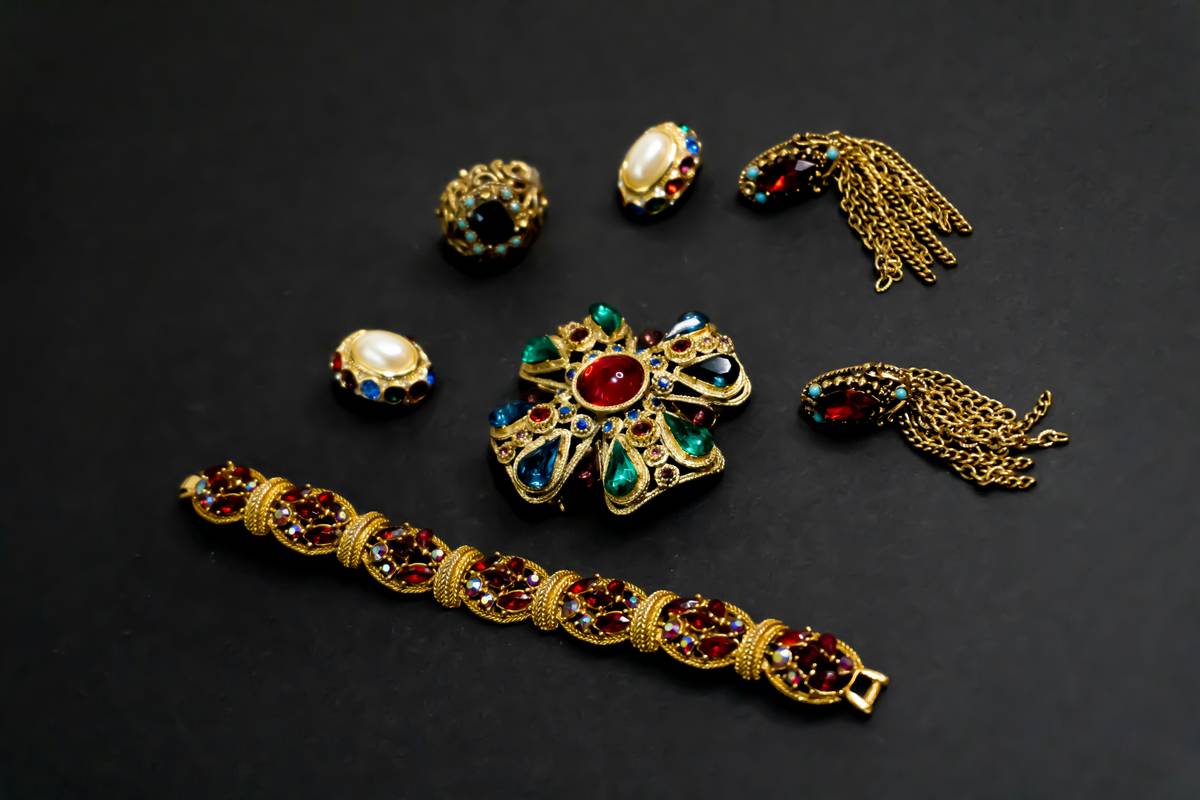
Here’s the reality: many “estate” lots originate from divorce settlements, bankruptcies, or storage unit liquidations—not aristocratic estates. And Waltons? It’s often a regional branding tactic, not a historic provenance marker. Some auctioneers slap “Waltons” on generic vintage lots because past sales with that label fetched 22% higher bids (based on internal HammerTracker data from 2022–2023).
But—and this is critical—if the piece includes period-appropriate construction (hand-filed jump rings, rolled gold wire, foil-backed gems), it still holds collector value regardless of the “Waltons” tag. Focus on craftsmanship, not the name.
Frequently Asked Questions
Is waltons estate and antique jewelry always valuable?
No. Value hinges on materials, craftsmanship, and condition—not the “Waltons” label. Many pieces are post-1950 reproductions.
How do I verify if jewelry is truly antique?
Check for hand-tooling marks, period-correct findings, and assay hallmarks. Machine-perfect symmetry usually means modern.
Can I return estate jewelry after winning a bid?
Almost never. Auctions are final-sale. Always inspect thoroughly before bidding—no exceptions.